




Why the stakes are high in the Strait of Hormuz
Not only Hormuz, what financial markets are watching. The perspective of Anthony Willis, Senior Economist at Columbia Threadneedle Investments.

All of Chevron’s oil plans between Iraq and Syria
Chevron is considering building an oil pipeline between northern and southern Iraq, plus a second pipeline to transport crude oil to Syria on the Mediterranean Sea: it would be a very useful infrastructure for Baghdad, which needs to export oil to support its budget but has no alternatives to the Strait of Hormuz.
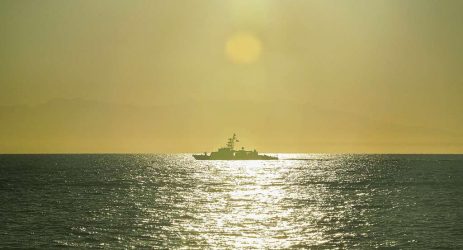
Dubai wants to bypass the Strait of Hormuz with a new port.
The agreement between the United States and Iran has collapsed, and the two countries have resumed attacking each other: Tehran struck two Emirati oil tankers in the Strait of Hormuz, while Trump announced a naval blockade and a 20% toll. Meanwhile, the United Arab Emirates are working on the construction of a new port on the east coast to protect themselves from future crises.

This way, the United Arab Emirates will not care about the Strait of Hormuz.
Despite the agreement between the United States and Iran, the United Arab Emirates say they still want to eliminate their dependence on the Strait of Hormuz. The plan includes the expansion of ports in the eastern part of the country, new pipelines, and new land connections. All the details.

What really changes for oil and Hormuz after the US-Iran agreement?
Oil prices fell by more than 4 percent following the announcement of the agreement between the United States and Iran to end the war. However, the situation will not return to normal immediately: many energy facilities in the Persian Gulf have been damaged, and most ships remain waiting in the Strait of Hormuz.
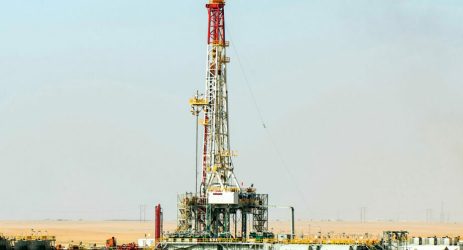
Kuwait, the Emirates, and Arabia want to bypass the Strait of Hormuz with oil pipelines.
The main Gulf oil-exporting countries, led by Kuwait, which is actively engaging with Saudi Arabia and the United Arab Emirates, are accelerating negotiations for the construction of new alternative pipelines to bypass the Strait of Hormuz.

Syria as an alternative to the Strait of Hormuz
Syria aims to serve as an alternative corridor to the Strait of Hormuz, transforming its Mediterranean ports and land routes into an energy bridge between the Gulf, Iraq, and Europe, despite significant infrastructural and stability challenges.
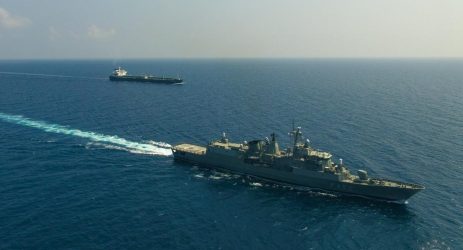
Why the EU struggles to expand the Aspides mission to Hormuz
At the moment, only five European Union countries have expressed their readiness to participate in Aspides up to Hormuz. Excerpt from the European Morning Brief.

Toyota will handle artificial intelligence on its own. Neither American nor Chinese solutions.
For artificial intelligence, Toyota does not intend to adopt either Chinese or American solutions: it will develop proprietary software. This is the first major engineering decision made by the new CEO Kenta Kon, who, with his background as a CFO, does not want to overspend on R&D and will not be able to do so: the Japanese giant has had to admit that it is also heavily burdened by the war in the Middle East.

From Gallipoli to Hormuz: when straits decide wars
In 1915, control of the Dardanelles changed the course of the First World War. Today, between Iran and the United…

Undersea Internet cables are also at risk in the Strait of Hormuz.
The fiber optic cables crossing the Strait of Hormuz risk becoming the most vulnerable target in the ongoing war, threatening the internet, cloud services, and AI ambitions of the Gulf countries.

I will tell you about the war that is driving prices up.
Hormuz and Bab el-Mandeb under pressure: not only oil, but fertilizers, food, and global logistics. And why diesel becomes the real multiplier of the crisis. Analysis by Luca Longo.
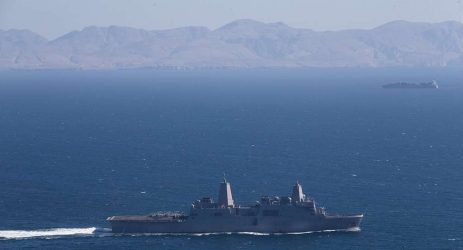
What is happening in Hormuz?
The latest news and recent moves of the States on the Strait of Hormuz. Guiglia’s notebook.
What is the Middle Corridor, Turkey’s alternative to Hormuz?
The war with Iran has prompted Turkey to accelerate the development of the Southern Corridor, a network of infrastructure for transporting goods and energy from Asia to Europe. However, the full realization of the project depends on a route between Azerbaijan and Armenia. All the details.

I’ll explain the game behind the use of Bitcoin for tolls in Hormuz.
Bitcoin beyond the dollar: the real message behind Hormuz. Analysis by James Butterfill, Head of Research at CoinShares.
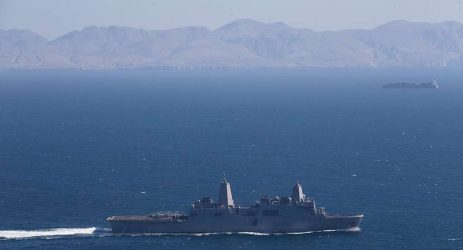
Strait of Hormuz, the invisible threat: how Iranian mines can strangle global trade
From the close-combat weapons of World War I to smart mines with magnetic and acoustic influence: anatomy of an asymmetric strategy that can paralyze oil, gas, and global food chains. Analysis by Luca Longo.
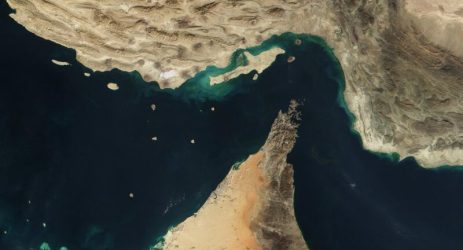
I will explain the US anti-China strategy regarding the Hormuz and Malacca Straits.
The Straits of Hormuz and Malacca are crucial for China’s energy supply. Today, the United States can exert leverage over both. An analysis by Gianclaudio Torlizzi taken from his Facebook profile.

Why markets are caught between Hormuz and inflation
Not only Hormuz, what are the key signals for the global economy and markets. Analysis by Luca Simoncelli, Investment Strategist at Invesco.
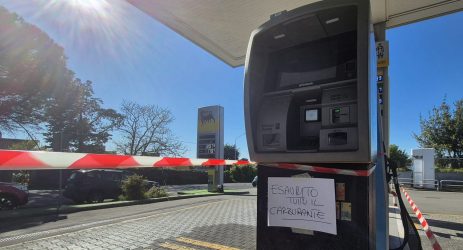
Surprise, in Italy gasoline costs less than elsewhere
The emergency cut in excise duties established and extended by the government to address the Middle Eastern crisis weighs on the national accounts and therefore on Italian taxpayers, but it also benefits the many motorists who live in France and Switzerland and increasingly come to fill up at our gas stations. But are we really sure that the phenomenon of dry pumps is the fault of cross-border fuel buyers?
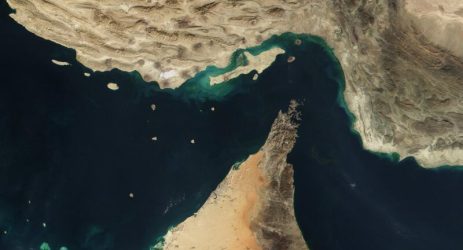
I will tell you about the militarization of the Strait of Hormuz.
Hormuz under siege: the coercive denial of a global common good Analysis by Francesco D’Arrigo, director of the Italian Institute of Strategic Studies “Niccolò Machiavelli”.
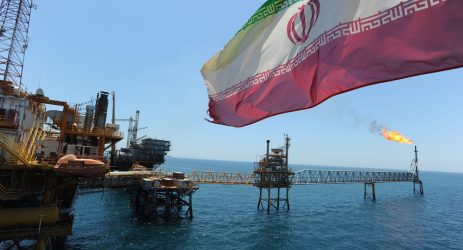
Here’s how the Hormuz blockade is worsening the oil and jet fuel crisis.
The market is saying something very specific: the problem is not the price of oil. It is the time required to obtain it. And when time becomes scarce, the system stops functioning for optimization and starts functioning for survival. The analysis by Gianclaudio Torlizzi taken from his X profile.

Why the crisis in Hormuz risks leaving European airports dry
European airports risk running out of fuel if the Strait of Hormuz is not reopened within three weeks: deliveries for May are not guaranteed. This is according to Airports Council International Europe. Numbers and details.
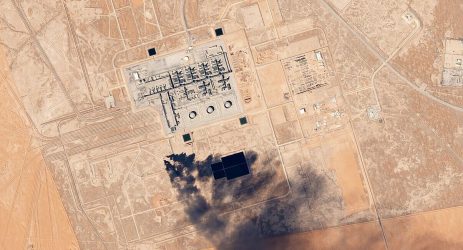
Iran attacks the Saudi East-West pipeline: is it possible to avoid the Strait of Hormuz?
Despite the ceasefire agreement, Iran’s attacks on Gulf countries have not stopped. Among the targeted infrastructures is the East-West pipeline, crucial because it allows Saudi Arabia to bypass the Strait of Hormuz (which has already been closed). All the details.

Toll in cryptocurrencies or US-Iran joint venture? Here are the options for the Strait of Hormuz.
Iran says that ships wanting to pass through the Strait of Hormuz will have to pay a toll in cryptocurrencies, in order to bypass sanctions. Trump, on the other hand, talks about a US-Iran joint venture. All the details.

Iran, all of Russia’s energy moves between Europe and Asia
Russia says there is a huge demand for its fossil fuels and that it could redirect sales away from Europe. Moscow’s words are unlikely to prompt Brussels to reconsider its energy policy, especially given the damage to the pipelines. Here are statements, details, and figures.

Why Iran will not give up everything on Hormuz
The Iranian parliament is passing a law that consolidates the geopolitical use of Hormuz: the war is changing Tehran’s worldview. Analysis by Stefano Feltri from Appunti.

What will happen to fertilizers with the war in the Gulf?
The crisis in Hormuz threatens agricultural supplies and opens the door to “non-linear” effects on the global economy. Excerpt from Stefano Feltri’s Notes.

Hormuz and Taiwan: Facts and Scenarios. FT Report
The closure of the Strait of Hormuz is a model for China on Taiwan. The Financial Times article taken from Liturri’s review.
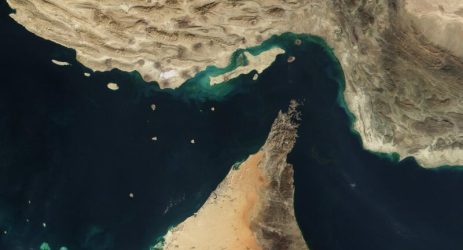
Hormuz: global shock? Pimco report
Effects and scenarios of the Hormuz blockade. Analysis by Tiffany Wilding, economist at Pimco.
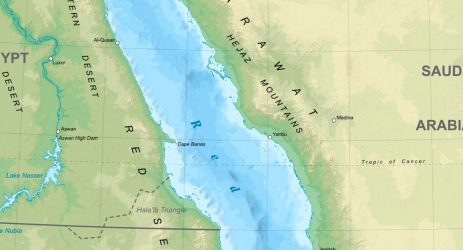
The Gulf War has expanded to the Red Sea.
Hormuz is no longer enough: now the Red Sea is also burning. Analysis by Gianclaudio Torlizzi taken from his X profile.
This is how Saudi Arabia and the Emirates are trying to bypass the Strait of Hormuz.
The possibility that Iran will gain control of the Strait of Hormuz is prompting the Persian Gulf countries to reconsider alternatives. Here are all the projects of Saudi Arabia, the Emirates, and beyond.
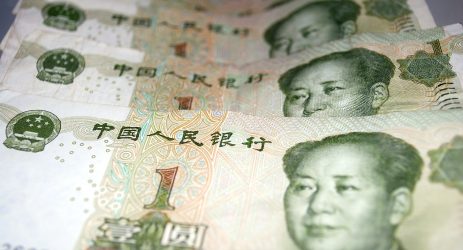
Hormuz, this is how Iran torpedoes the dollar and facilitates the Chinese yuan.
Iran has imposed a toll for crossing the Strait of Hormuz. Not only that: it seems that Tehran is demanding payment in yuan, the Chinese currency. Meanwhile, the United States does not rule out the invasion of Kharg Island to seize Iranian oil.

The Gulf War puts Europe and Asia’s supplies at risk
From flow shock to stock crisis: the timeline map of contagion. Analysis by Gianclaudio Torlizzi taken from his X profile.

Which countries are suffering the most from the blockade of the Persian Gulf? NYT report
The conflict in the Middle East has blocked much of the oil and gas exports from the Persian Gulf, triggering a global surge in energy prices that severely impacts Asia, Europe, and Africa. Here are the countries that suffer the most according to estimates from the New York Times.

How Spain navigates between Iran and Algeria
Iran might allow Spanish ships to pass through the Strait of Hormuz after the Sánchez government refused to grant the Americans the use of two military bases. Meanwhile, Spain secures an increase in gas supplies from Algeria, which is also being courted by Italy. All the details.

Iran, not just war: all the challenges for the US, China, and Russia
Beyond the Strait of Hormuz: the systemic challenge to Iran and the return of global tensions. Analysis by Luca Longo.

Not just oil: the Strait of Hormuz could disrupt chips and logistics
Between oil, gas, helium, and semiconductors, the Strait of Hormuz remains the planet’s most critical choke point. Alternatives are insufficient, and the Iranian war can block traffic with low-cost means. Analysis by Luca Longo.

The Gulf War as seen by ExxonMobil, Chevron, BP, Shell, and Total. FT Report
Earnings, uncertainties, and scenarios for ExxonMobil, Chevron, BP, Shell, and Total from the Gulf War. The Financial Times article taken from Liturri’s review.

Why China Will Also Suffer Repercussions from the Gulf War
The question is not whether China will be affected by the Hormuz crisis, but how profoundly this shock will reshape its external projection. Analysis by Gianclaudio Torlizzi taken from his profile on X.

What are the alternatives to the Strait of Hormuz?
The closure of the Strait of Hormuz shifts systemic risk to the Red Sea: if Bab el-Mandeb were to fail, Saudi Arabia’s bypass capacity would be almost nullified. Analysis by Gianclaudio Torlizzi taken from his X profile.
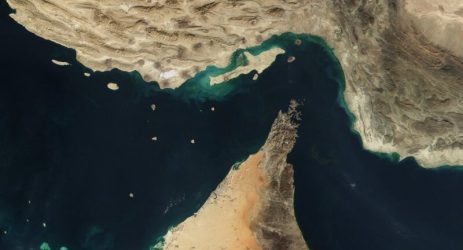
All the effects of the Hormuz crisis on energy, economy, and finance
The risk in the Strait of Hormuz is not only about oil. Here’s why. Analysis by Stephen Dover, Chief Investment Strategist, Head of Franklin Templeton Institute.
This is how the war in Iran is disrupting the markets
Conflict in Iran: from geopolitical tensions to risks in oil supply. Analysis by Meg O’Connor, Senior Equity Research Analyst, and Travis Flint, Investment Grade Credit Analyst at Columbia Threadneedle Investments.

How will central banks react to the Hormuz crisis?
Hormuz under special surveillance: markets caught between war of attrition and central banks on standby. Analysis by the Advisory & Management Team of Intermonte.

Who will suffer the most from China’s halt on fuel and fertilizer exports?
To protect its farmers, China has not only banned fuel exports but also fertilizer exports. Beijing is highly exposed to the crisis in the Persian Gulf because much of its oil and sulfur supplies pass through the Strait of Hormuz.
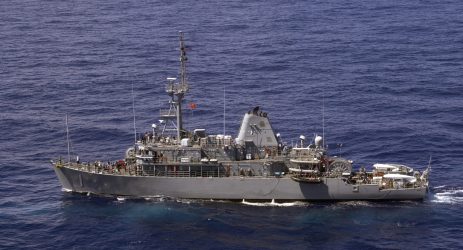
Strait of Hormuz, did Trump ask Italy for minesweepers?
The United States is considering a coalition to protect the Strait of Hormuz, but without concrete commitments from allies, also relying on its own military capabilities against the threat of naval mines. All the details on the U.S. Navy’s mine countermeasure units and the role of Italy hoped for by America, according to political scientist Luttwak.

What will the Fed and ECB do about the Gulf War?
What are the prospects for central banks grappling with the economy tested by the energy crisis? Commentary by Colin Graham, Co-Head of Sustainable Multi-Asset Solutions at Robeco.

The war on Iran risks also impacting semiconductors.
The Strait of Hormuz crisis threatens not only fossil fuel markets but also the semiconductor industry, which depends on helium produced in Qatar. Taiwan—the global hub of this sector, home to TSMC—is particularly vulnerable, and the European supply chain is also exposed. All the details.

Not only oil: the blockade of the Strait of Hormuz also threatens the chemical industry.
The crisis in the Strait of Hormuz is affecting not only fossil fuel markets but is also impacting the chemical industry. Here’s what is happening to the supplies of sulfur, naphtha, helium, methanol, and more.

Why the Kharg Islands Are the Heart of Iranian Oil
The Kharg Islands are at the center of the US-Iran conflict: Washington has conducted raids on military bases with the oil terminals still intact, while Trump threatens escalation or even the occupation of the islands to unblock the route.
