




All of the United States’ plans for offshore nuclear power plants
The United States wants to accelerate the development of floating nuclear power plants at sea: currently, however, there is only one such facility, in Russia. The initiative is part of the Trump administration’s plans to open federal waters to industrial activities.
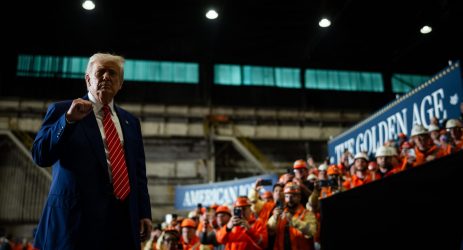
Aluminum, Trump eases tariffs to help the defense industry
The Trump administration halves the impact of tariffs for companies building aluminum foundries in the United States. The White House aims to strengthen the national defense supply chain: today, American production capacity is severely insufficient.
Oil, all of Eni’s plans with Var Energi and BlueNord
Var Energi, a Norwegian oil company controlled by Eni, will acquire the Danish BlueNord, forming the largest European hydrocarbon producer. All the details.

Oil, what changes with the Houthi embargo on Saudi Arabia
The Houthis, a Yemeni armed group backed by Iran, have announced a maritime embargo on Saudi Arabia. The move threatens oil exports from the Red Sea just as the Strait of Hormuz has become impassable again. Numbers, details, and context.
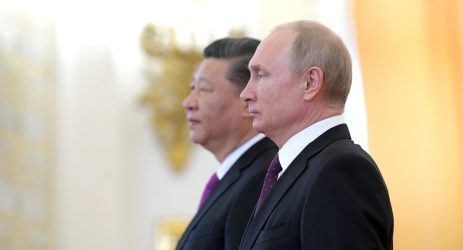
Power of Siberia 2, China wants Russian gas at rock-bottom prices
Russia is betting on the Power of Siberia 2 pipeline to replace the European market with the Chinese one. But China wants to pay the heavily discounted prices that the Kremlin offers to Russian citizens. Is the pipeline not going to happen?
ETSs, here’s what changes with the European Commission’s revision proposal
The European Commission proposes to slow down the reduction of CO2 quotas to contain business costs. In return, it asks member states to allocate more resources to industrial decarbonization. All the details.

Central heating, if Italy imposes incredible restrictions and sanctions
Another obligation that Europe will impose on us from 2016, in the case of condominiums with centralized heating systems. Not…

Why the market cannot guarantee the security of raw materials
The new diplomacy of raw materials. The analysis by Gianclaudio Torlizzi, founder of T-Commodity, taken from his X profile.
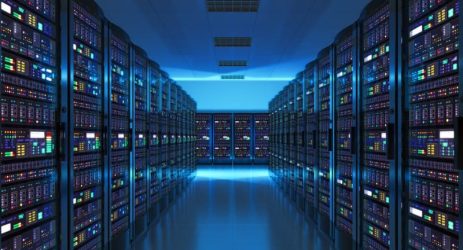
Data centers are driving up US bills. NYT report
The electricity demand of large data centers is driving prices up in the United States. Consumers and businesses will pay more, as a dispute heats up between the grid operator and the states over delays in connecting new plants.
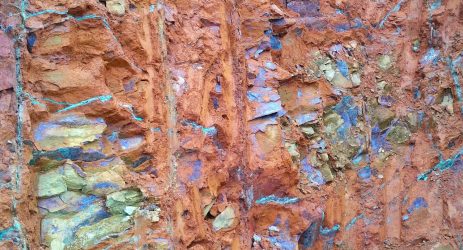
This is how the West and China are waging war over critical minerals.
China’s dominance over critical minerals has triggered a genuine geopolitical crisis, sparking a frantic race in the West for new autonomous supply chains, amid risks of resource nationalism and the need for cooperation.
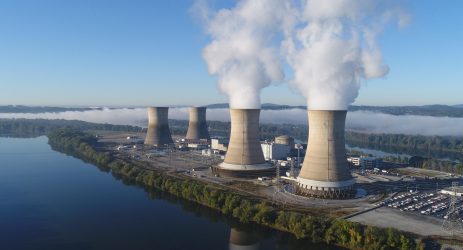
Nuclear energy is experiencing a renaissance in the United States.
In the USA, the nuclear industry is experiencing a true renaissance thanks to the energy demand from data centers, the restart of closed plants, strong support from the Trump administration, and the development of new modular reactors.
All of Chevron’s oil plans between Iraq and Syria
Chevron is considering building an oil pipeline between northern and southern Iraq, plus a second pipeline to transport crude oil to Syria on the Mediterranean Sea: it would be a very useful infrastructure for Baghdad, which needs to export oil to support its budget but has no alternatives to the Strait of Hormuz.

Is gas behind the artificial intelligence boom?
The growth of data centers will increase electricity demand for many years. Renewables and storage will be essential, but alone they are not enough to ensure the required continuity: this is why gas will play a central role in the mix. An in-depth analysis by Luigi Pereira.

EU, that nasty mess of green homes
Green housing is not ideology, it is arithmetic. And this time, the numbers don’t add up for any of the twenty-seven. Luigi Ricci’s intervention.
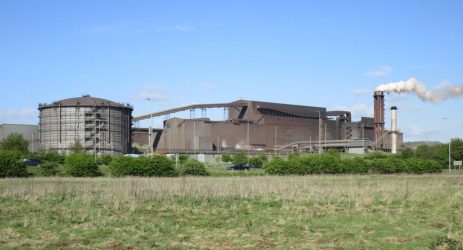
The United Kingdom nationalizes British Steel (another Ilva?) in the name of the public interest
The British government has nationalized the steel company British Steel to save the country’s last blast furnaces; however, the clash with the Chinese group Jingye continues. The situation is similar to that of Acciaierie d’Italia. All the details.
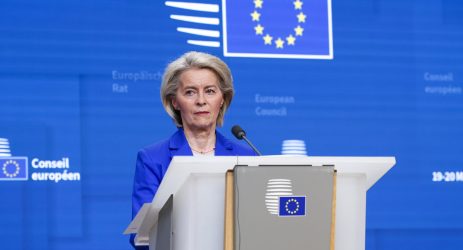
The EU gives in to pressure from the USA and Qatar and suspends the methane regulation.
The European Commission will present recommendations to suspend the sanctions provided for in the methane emissions regulation. The Union depends on gas imports, but producers—such as the United States and Qatar—have threatened to divert shipments elsewhere to avoid regulatory burdens.
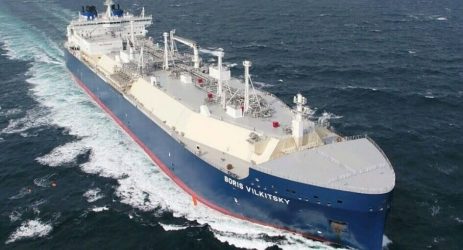
Why Greece says no to sanctions on Russian energy
Greece opposes the twenty-first package of European sanctions against Russia to protect its shipping industry, which is earning a great deal from the transportation of oil and liquefied gas. Numbers, names, and details.
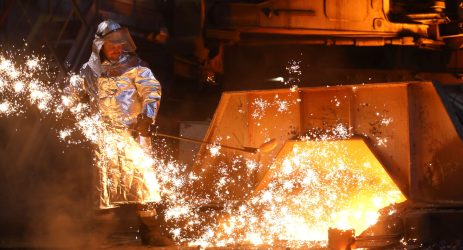
The Commission changes course on the ETS, but EU countries remain divided
On July 17, the European Commission will present its proposal to revise the ETS mechanism. A postponement of the end of free CO2 allowances for companies is expected: however, member states are divided, while energy-intensive industries are calling for a complete suspension of the system.

Why Google is betting on solar energy
Google will purchase the entire initial output of the massive Steel River solar project in Arkansas to offset the emissions from its data centers despite Trump’s anti-renewable policies.

Jet fuel, the resumption of the war in the Gulf puts European airports at risk
The United States and Iran have resumed attacks on each other, and the Strait of Hormuz is once again blocked. Europe has not overcome the jet fuel crisis – the fuel for airplanes – and has reserves for less than thirty days. Numbers, details, and context.
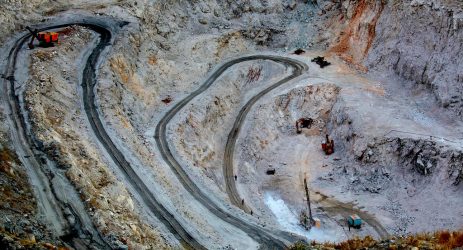
Here are China’s plans to consolidate dominance over minerals.
China launches Guangyan, a new state-backed investment vehicle, to strengthen control over foreign mineral resources, standardize operations, and manage geopolitical risks arising from Western countermeasures.
Europe is snapping up Russian LNG: here are the countries that are fueling up the most
In the first six months of 2026, the European Union purchased record quantities of Russian gas from Yamal LNG, despite the impending import ban. Russia is celebrating, also because the alternative route to Asia is complicated by ice.

Forget about the price cap: Greece is making billions from Russian oil.
Greek shipping companies are the ones that have profited the most from the maritime transport of Russian oil: it is a controversial trade but allowed as long as it does not exceed the G7 price cap. However, the enforcement of compliance with the mechanism leaves much to be desired. Numbers and details.

Why oil remains fragile even when prices fall
The reopening of the Strait of Hormuz has eased tensions, but the oil crisis remains unresolved. Analysis by Gianclaudio Torlizzi, founder of T-Commodity, taken from his X profile.

Can batteries solve the energy problem of data centers?
Battery startups are receiving strong demand from data centers, where their specialized technologies have become essential for managing the intense power spikes generated by AI.
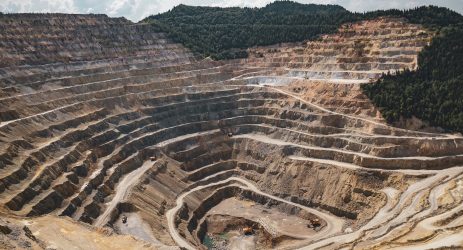
Here is how China exploits the geopolitical weapon of rare earths. FT Report
China uses export restrictions on rare earths to push its companies to reach the higher tiers of the industrial supply chain, putting Japanese rivals in particular in difficulty. The Financial Times report.
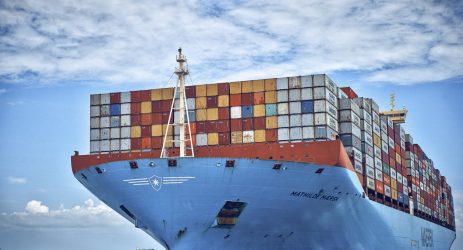
The maritime transport industry has lost confidence in “green” fuels.
The shipbuilding industry is abandoning enthusiasm for green fuels such as ammonia and hydrogen, returning to traditional fossil fuels or focusing on nuclear power, shaking the net zero targets by 2050.
All of Eni’s plans involving batteries, lithium, and partnerships with Seri Industrial
Eni has started work on the construction of a battery gigafactory in Brindisi, within the Versalis plant area. The facility, built in collaboration with Seri Industrial, will be dedicated to storage systems but will not be limited to assembly: the six-legged dog aims to be present throughout the entire supply chain, from lithium extraction to battery commercialization.
Exxon and Chevron rack up profits. Clash with Trump over gas prices ahead?
The second quarter could be the best since 2022 for Exxon and Chevron, the two largest American oil companies. However, gasoline prices, still high despite the drop in crude oil, could worsen tensions between the White House and the oil industry.
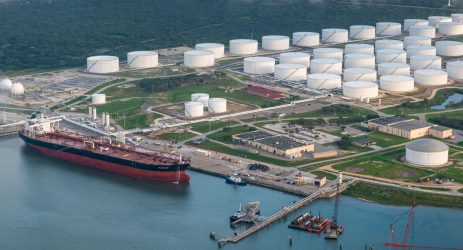
Why the world is more resilient to an energy shock today
What are the prospects for energy supplies? An analysis by Benjamin Jones, Global Head of Research at Invesco.
After the Emirates, will Iraq also leave OPEC?
Iraq wants OPEC to grant it the possibility to increase oil production; otherwise, it might leave the organization. This would be a severe blow to the cartel led by Saudi Arabia, which recently lost another key member, the United Arab Emirates. Context, details, and figures.
AI drives the US overtaking China in fossil energy investments
In a year marked by the AI boom, the US is set to surpass China in fossil fuel investments thanks to a surge in orders for gas turbines to power data centers, reversing a decade-long trend.
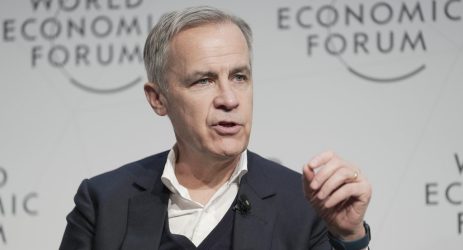
Canada challenges dependence on the US with a new pipeline to Asia
Canada will build a new pipeline to the west coast to export crude oil to Asia and reduce dependence on the United States, its main market. Prime Minister Mark Carney, at odds with Trump, also has to manage separatist pressures in the oil-producing province of Alberta.
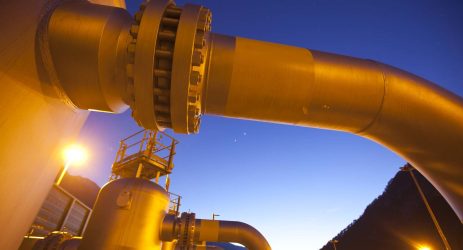
Gas, the EU risks entering winter with storage at its lowest in fifteen years
In October, the European Union’s gas reserves will stop at 76%, the lowest level since 2011. The war with Iran has complicated the filling of storage facilities, and uncertainties remain regarding LNG from the Persian Gulf and the detachment from Russia.
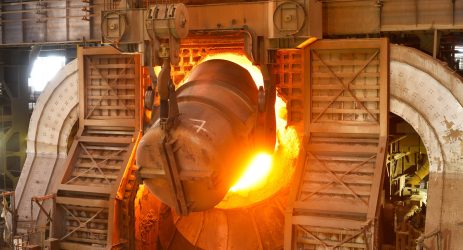
Steel, all the objectives of the new European system of import tariffs and quotas
What the new system of tariffs and import quotas on steel developed by the European Commission, effective from today, entails.
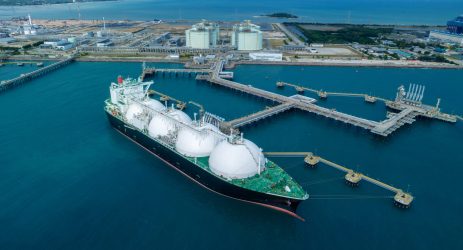
This is how LNG is changing the Mediterranean
Between European regulations, new investments, and record bunkering, liquefied natural gas is reshaping maritime logistics. What is happening in Italy?
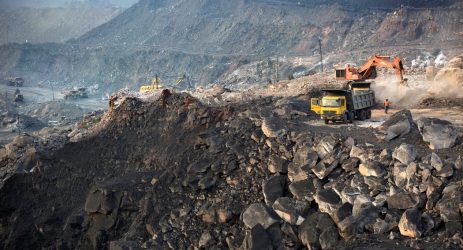
More renewables or more coal? The energy consequences of the war on Iran
The war on Iran has caused the second global energy crisis in the last five years. Investments in renewables and electrification are increasing, but the real winner—especially in Asia—is coal. Numbers and details.

Does Europe have the money to face the upcoming climate disasters?
“What until recently was considered an exceptional event could increasingly represent a plausible baseline scenario,” warns the Bruegel report. “Climate disasters are inevitable, but the resulting fiscal crises can be avoided.” An in-depth analysis by Oliver Grimm from the European Morning Brief.

Raw materials, here’s why the US is moving refineries inside military bases
The mine inside the fortress. Analysis by Gianclaudio Torlizzi, founder of T-Commodity, taken from his X profile.
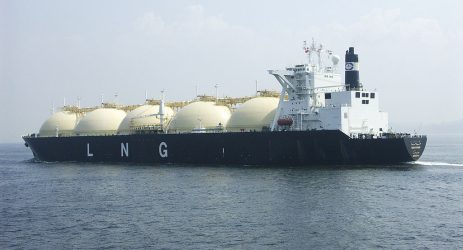
Less energy, more risks: who wins and who loses after the war in Iran
The energy supply shock triggers the race for energy security. Analysis by Rick de los Reyes, Head of Commodities, Sector Portfolio Manager, T. Rowe Price.

Why does Musk’s SpaceX want to build a pipeline?
SpaceX wants to build a pipeline to transport natural gas to the Boca Chica base and use it to produce rocket fuel in-house: Elon Musk insists on vertical integration. All the details.
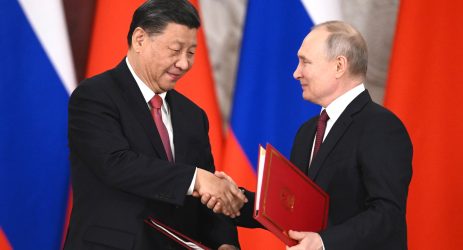
China wants to increase its gas supply with Russian Arctic LNG.
China is building a second import terminal for liquefied gas from Arctic LNG 2, the large-scale project in Siberia sanctioned by the West. On the other hand, progress on the Power of Siberia 2 pipeline remains limited. Numbers and details.

All about Energy Time getting excited about the Chinese company Huawei
Energy Time, a company from Molise specializing in renewable energy, says it has strengthened its collaboration with Huawei, a Chinese company that is also very present in the solar panel inverter market. However, the European Commission wants to limit inverters coming from China for security reasons. All the details about the company led by Pulitano.

What will Tesla and NatPower do with batteries in Italy and the UK?
NatPower and Tesla have reached a 5 billion agreement to build battery storage systems in Italy and the United Kingdom. And the project could expand. All the details.
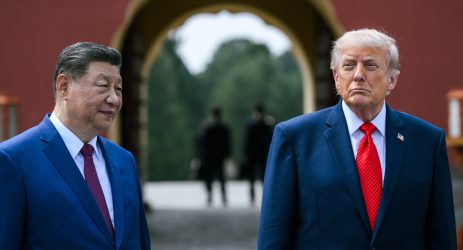
Drones, defense, and rare earths: here are the American companies sanctioned by China
In retaliation against the Pentagon, China has sanctioned ten American companies linked to the United States armed forces: the list includes drone manufacturers, aerospace component producers, and rare earth extractors. All the details.
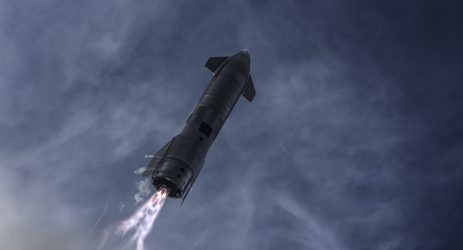
Why SpaceX is failing on ESG criteria
SpaceX received the lowest ESG rating ever from the financial services company MSCI. For Elon Musk, sustainability criteria are “a scam” carried out by “fake social justice warriors.” All the details.
In the USA, solar power surpasses coal, despite Trump.
For the first time, the United States generated more electricity from solar energy than from coal: yet the Trump administration cut incentives for renewables and renewed support for fossil fuels.
Iran’s Unfinished Atom: 60 Years of Nuclear Ambitions Between Energy, Revolution, and War
From the Shah to the Ayatollahs, through the JCPOA, sanctions, and the bombings of 2026: the history of Iran’s nuclear program that was supposed to produce electricity and has become one of the main factors of instability in the 21st century. An analysis by Luca Longo.

Everything about Factorial Energy, the American solid-state battery company backed by Stellantis
Stellantis has become a shareholder of Factorial Energy, an American company that develops solid-state batteries, recently listed on the Nasdaq and supported by a fund close to the CIA. All the details.
