



Here is the new wave of tariffs announced by Trump, rejected by his advisors.
Donald Trump is ready to impose new tariffs on dozens of countries this week, replacing the temporary 10% regime expiring on Friday, despite warnings from his advisers about economic risks and pressures related to the high cost of living (ahead of the midterm elections).

Why Trump Hits Canada with 50% Tariffs
The Trump administration imposed 50% tariffs on a wide range of Canadian products as retaliation for alleged discrimination against American goods, reigniting the trade war and putting pressure on USMCA negotiations, while Ottawa declares itself ready to negotiate but threatens retaliation.

How global growth will fare amid geopolitics, AI, and market resilience
The macroeconomic outlook for the second half of the year by Darrell Spence, Economist at Capital Group

Why Trump Hits Brazil with New 25% Tariffs
The Trump administration announces a 25% tariff on thousands of Brazilian products for unfair trade practices, a move set against a backdrop of political tensions and the White House chief’s support for the son of former Brazilian President Bolsonaro in the October elections.

Has Polestar’s lucky star faded?
The decline in quarterly sales is just one of the bad news that has recently hit Polestar. The real problem for the Swedish brand, generously funded by the Chinese company Geely, is the decision by the US Department of Commerce to deny it access to the American market, which does not want smart cars made in China. All this while its parent company Volvo (owned by the same Asian group) has instead obtained a special pass.

US tariffs and Chinese chauvinism cause Audi to falter
Audi was the first brand of the VW Group to see one of its own plants sacrificed, the Brussels plant that produced exclusively electric cars, on the altar of cuts. But according to multiple reports from the German media, the Neckarsulm plant is also at risk of closure. And the data from the Four Rings company seem to point in this direction.
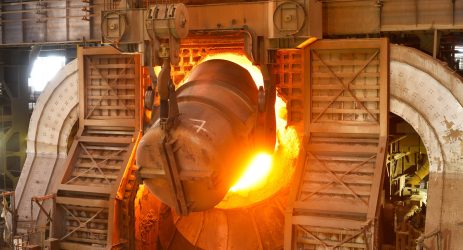
Steel, all the objectives of the new European system of import tariffs and quotas
What the new system of tariffs and import quotas on steel developed by the European Commission, effective from today, entails.
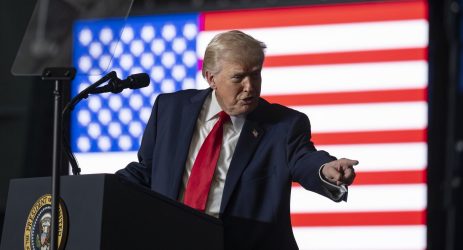
Trump threatens Germany with new tariffs over drug prices
The United States challenges Germany’s policy on innovative medicines and is considering possible trade measures, while Germany defends the healthcare reform to contain public spending and faces increasing pressure from major pharmaceutical companies. Facts and comments.

Will Stellantis get engaged to Jaguar Land Rover?
Stellantis is not at the peak of its industrial power, and Jaguar Land Rover has survived a very dark year, also battered by a devastating hacker attack. The two European companies intend to explore possible synergies with a very specific geographic focus: Donald Trump’s USA.

The EU approves the trade agreement with the US to avoid Trump’s new tariffs.
The European Union has reached a provisional agreement to implement the Turnberry trade pact and avert the tariff threats promised by Trump by July 4th, eliminating duties on many US products in exchange for a 15% cap on European exports, with safeguard clauses and an expiration set for 2029.

Why the EU crackdown on steel alarms both Switzerland and Ukraine
The EU is preparing a crackdown on steel: drastic reduction of imports and doubling of customs duties for excess quotas starting July 1st. Bern and Kyiv protest. All the details.

US-EU tariff war, what is said and what is not said
What is really happening between the US and the EU regarding tariffs. An in-depth analysis by Liturri

This is how Toyota speeds up in the US to race against Trump.
So far, the investments promised by Toyota had concerned its production hubs in Kentucky and Indiana, but now Project Orca has emerged, a $2 billion plan for 2,000 new jobs in Texas. The Japanese company could bring back to the U.S. models previously destined for Mexican plants, confirming itself as one of the foreign brands most attentive to complying with Trump-era directives.

A lackluster quarter for Audi. Lamborghini is racing ahead while Bentley is stalling.
Sales volumes of the Audi, Lamborghini, and Bentley brands fell by 6.1% to 364,877 vehicles. In the US, they plummeted by 27 percent due to Trump-era tariffs, and in China by 12 percent due to fierce local competition. Despite everything, the Group confirms its guidance for 2026.
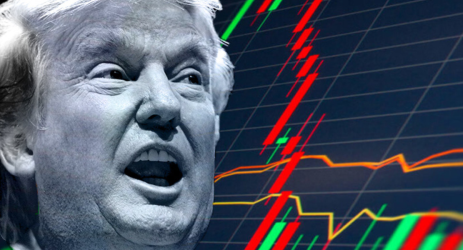
Tariff refunds: why small businesses are angry with Trump
Small US businesses excluded from the refund process that favors direct importers. The Financial Times article taken from Liturri’s review,
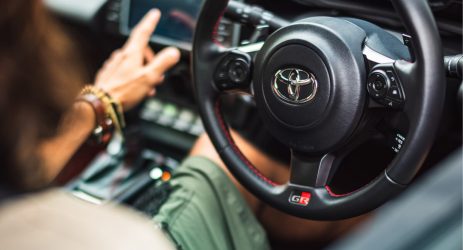
Tariffs, the Middle East, and China also cause Toyota to falter.
Trump’s tariffs weighed down Toyota’s results in North America without much surprise: revenues up 9.2% to 21.1 trillion yen, about 114.5 billion euros, but an operating loss of 193 billion yen. Sales of the world’s leading brand by volume are growing, but margins continue to shrink.
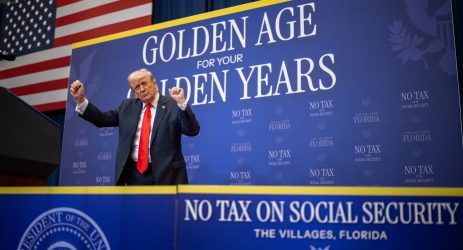
Tariffs, here are the latest trump cards between the US and the EU
Trump has given the EU until July 4th to implement the trade agreement, otherwise threatening “much higher” tariffs on European goods. Meanwhile, von der Leyen confirms progress and mutual commitment.

China and the US contain BMW. Off-road accounts but a sprint on the Stock Market.
In the quarter, the group delivered a total of 565,780 cars to customers worldwide, considering the three brands in its portfolio (BMW, Mini, and Rolls-Royce), with a decline of 3.5%. In China, the German company lost further ground.

Why Ferrari races in revenue but brakes on the stock market
Maranello displays calm both regarding the war in the Middle East, which blocks access to some of the richest countries in the world, and Trump’s tariffs, but meanwhile Ferrari’s revenues and guidance for the current year are below analysts’ forecasts. The stock immediately slipped on the stock market after the quarterly report.

Nissan stakes its claim on the American electric car.
Recent global events and the need to revive the struggling Japanese brand have pushed Nissan to scrap its plans for American electric cars and focus entirely on traditional SUVs and pickups, which are definitely more appealing to the broader American audience.
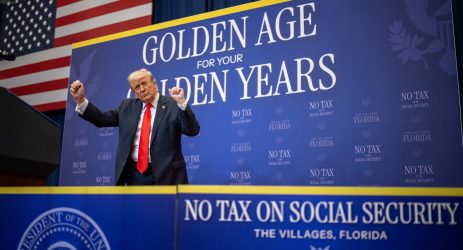
Here are the European car manufacturers that will be most affected by Trump’s new tariffs.
The effects of the announcement of 25% tariffs on European cars and the reopening of the trade dispute with the EU. In Berlin, economists and industry fear heavy impacts on growth and the German automotive sector.

General Motors weighed down by electric cars
Double-digit sales collapse (-10%) for General Motors in the US, but on closer inspection, last year it was the fear of the arrival of Trump tariffs that drove an unnatural baby boom. And it is precisely the disappearance of the trade duties struck down by the American Supreme Court that allows the Detroit automaker to be particularly optimistic about its future.

Why China is Eliminating Tariffs for Africa
China eliminates tariffs on all African products (except for Eswatini, which recognizes Taiwan), extending a trade opening aimed at strengthening its soft power on the continent, despite trade imbalances and doubts about the real effects.
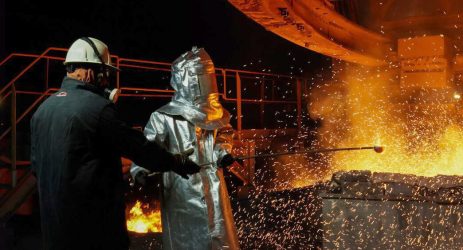
Steel, what the new European Union system of tariffs and quotas entails
The European Parliament and the Council of the European Union have reached an agreement to limit steel imports and increase tariffs: the goal is to protect the EU steel industry, which is facing serious difficulties. Here is what the new measures entail.

Does the EU really want to take American pickups off the road? Why do Americans rear-end us?
According to the US ambassador to the Union, Brussels would not be respecting the agreements on tariffs (declared illegitimate by the American Supreme Court) and would be trying to exclude from the community market the bulky pickups that are so popular in the New World while historically leaving the consumer in the Old Continent lukewarm. Also for this reason, the goal of the Trumpian diplomat would actually be another: the community rules on safety standards and environmental issues, which are too burdensome for US manufacturers.

Here is who will be hit by Trump’s 100% tariffs on drugs.
Seventeen of the largest pharmaceutical companies have signed an agreement with the White House to reduce the prices of products imported into the United States, but those who have not reached an agreement will face 100% tariffs, with some exceptions. All the details.

Entry of Chinese cars prohibited. The revolt of American manufacturers.
US automakers and others want Trump to ban the entry of Chinese cars even if they set up factories and value chains in the United States, bringing investment and jobs. So far, however, the American president has taken a completely different approach.
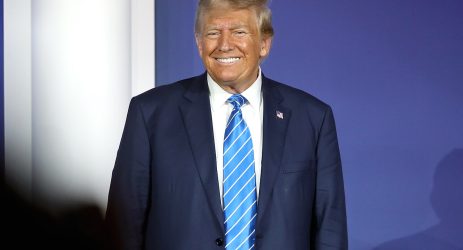
Trump’s threat of 100% tariffs on drugs is still real (and Bayer is trumpeting)
Trump could soon announce tariffs of up to 100% on drugs from pharmaceutical companies that have not yet reached agreements with the White House. Meanwhile, the German company Bayer warns that Europe will need to raise prices to remain an attractive market, and companies are delaying some product launches in the Old Continent to comply with U.S. pricing policies. Facts, figures, and comments.
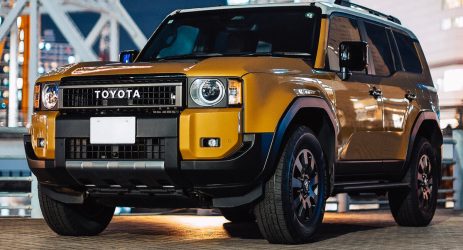
How Toyota runs in the USA to avoid upsetting Trump (and also Prime Minister Takaichi?)
Toyota’s multibillion-dollar American plan is taking shape to avoid upsetting President Trump. The first to benefit from the funds coming from the Land of the Rising Sun will be the plants in Kentucky and Indiana. A few weeks ago, the president of the Japanese group wore the red “MAGA” cap. Meanwhile, the US-Japan friendship is secured by the flattery of Prime Minister Takaichi, a domestic iron lady who is extremely accommodating during her visit to the White House.
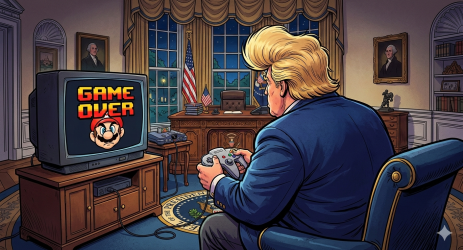
The game over for tariffs could cost Trump dearly, Nintendo sues the White House.
Over 1,000 companies intend to drag the Trump administration into the courtroom of the United States Court for International Trade because, with the stroke of a pen by the judge of U.S. laws, every legal basis supporting the tariffs paid so far would have been lost: in addition to Nintendo, the French beauty giant L’Oréal, the U.S. hypermarket chain Costco, and the American shipping company FedEx have taken action. For the Japanese video game giant, the total damage amounts to 200 billion dollars.
