From the Swedish GlobalEye to the American Triton, at the Ankara summit NATO is focusing on a series of contracts for the supply of weapons to support European defense.
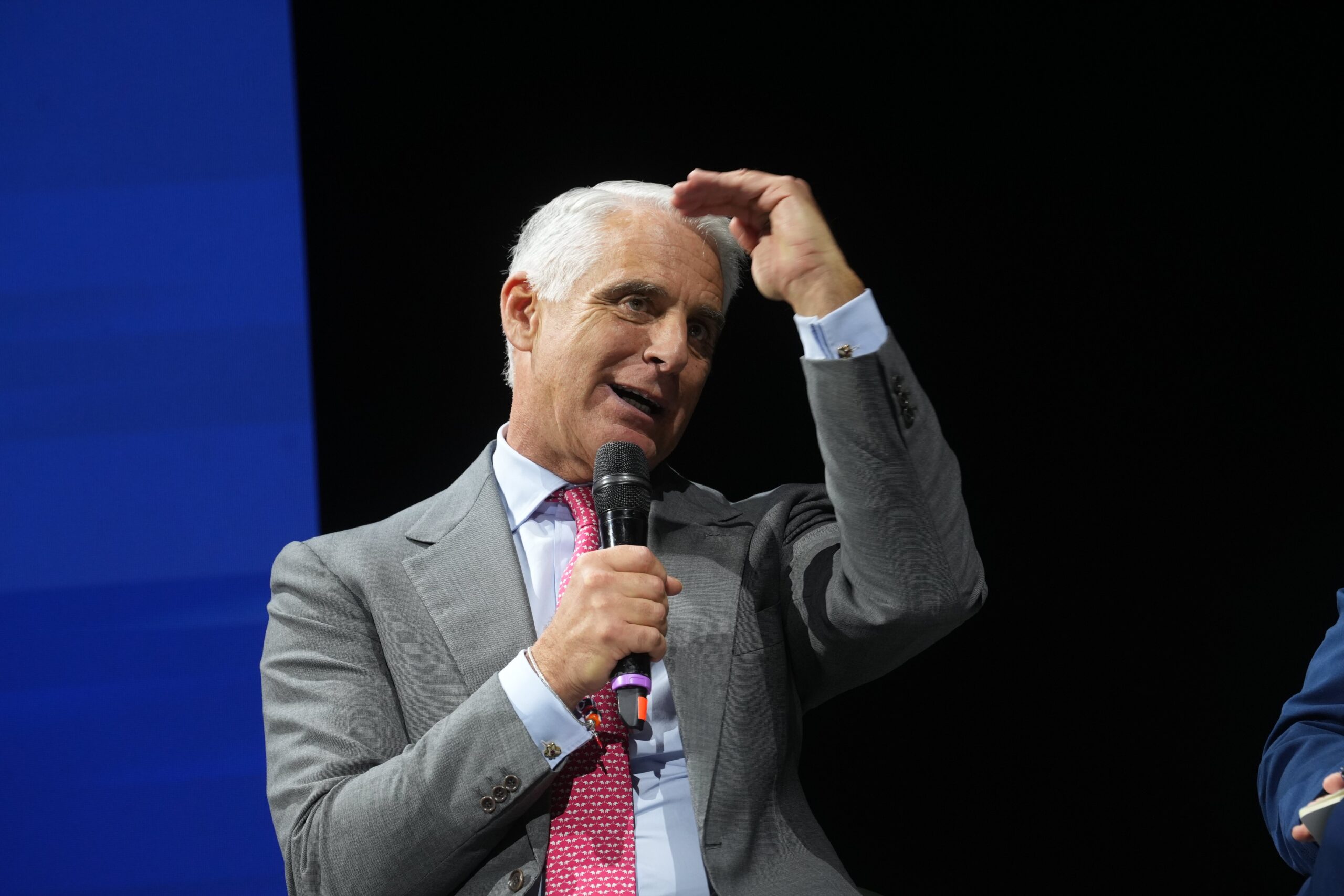
On July 7, the Atlantic Alliance kicked off its Annual Summit by announcing industrial agreements worth at least 50 billion dollars. During a defense industry forum held yesterday on the sidelines of the summit, NATO Secretary General Mark Rutte presented the first agreements with a total value of 10.5 billion euros: the purchase of up to 10 GlobalEye surveillance aircraft from the Swedish Saab, the launch of a new multinational project for a fleet of Airbus A400M transport aircraft, and the integration of five US-made MQ-4C drones.
According to Rutte, the allies will invest over 40 billion dollars in anti-drone capabilities over the next five years. Although the exact value of the contracts was not disclosed, Rutte stated that these projects are worth “billions of dollars” and will represent “money well spent.” The NATO secretary also launched several multinational initiatives aimed at pooling military equipment purchases and strengthening industrial cooperation. In particular, some contracts show Europe moving towards local procurement of certain equipment previously purchased from the United States, comments Bloomberg.
Especially the commitments announced on the first day of the Ankara summit come after US President Donald Trump again urged NATO countries to increase defense investments.
All the details.
TWO CONTRACTS AWARDED TO EUROPEAN SAAB AND AIRBUS
The Swedish defense equipment manufacturer Saab announced that NATO will start formal negotiations for the acquisition of up to 10 GlobalEye aircraft, intended to replace the current Boeing models.
The Boeing aircraft “have served us well and continue to do so,” Secretary Rutte said, “but they are reaching the end of their life cycle.” The new products will “ensure” that NATO’s capabilities remain “solid and credible for decades to come.”
As observed yesterday by Breaking Defense, the choice of GlobalEye has geopolitical implications, as the selection of a European solution comes after the allies shelved a plan to initially replace the old E-3 surveillance platforms with Boeing E-7 Wedgetail. The change reflects Europe’s growing desire to ensure that its security is not entirely tied to US manufacturers, explained Bloomberg. Saab CEO Micael Johansson told reporters that the company could begin deliveries as early as 2030 and that the final price would be between 400 and 450 million dollars per aircraft, reports Reuters.
At the same time, NATO announced the creation of a strategic fleet of Airbus A400M transport aircraft, and the addition of one aircraft to the existing fleet of A330 Multirole Tanker Transport (MRTT) tanker and transport aircraft. Fifteen countries signed the agreement, twelve of which belong to the EU, demonstrating the further boost for the European industry that came yesterday from the Atlantic Alliance summit.
According to a NATO press release, the initiative will leverage the concept of “sharing and pooling” the Airbus A330 MRTT fleet, allowing participating countries to pool aircraft and share costs. The contract is valued at 4.3 billion dollars, according to a diplomatic source cited by Bloomberg.
AND ONE IN FAVOR OF THE AMERICAN NORTHROP GRUMMAN
However, at least one agreement signed on the first day of the summit indicated that the alliance does not intend to give up large US orders, comments the American defense-focused outlet. NATO Secretary General Rutte stated that the allies will purchase up to five high-altitude MQ-4C Triton surveillance drones from Northrop Grumman, intended for integration into the alliance’s ISR (Intelligence, Surveillance and Reconnaissance) force. Speaking at a defense industry forum in Ankara, Rutte said that intelligence, surveillance, and reconnaissance are of crucial importance to the alliance. The Triton system “provides us with the situational awareness we need to make necessary decisions and anticipate threats,” Rutte specified.
This is the alliance’s first purchase of Triton drones and will complement NATO’s current fleet of five RQ-4D Phoenix drones, also produced by the American company, based at the Sigonella air base in Sicily. Both the Triton and Phoenix drones will be used for NATO’s land surveillance program.
Rutte did not specify the countries involved, but an alliance statement identified them as Denmark, Finland, Germany, and Norway. Rutte added that the “transatlantic industry” will contribute to the initiative by providing mission support, data systems, and infrastructure.
According to the diplomatic source cited by Bloomberg, the value of the agreement is 2.7 billion dollars.
THE INITIATIVE FOR CRITICAL MATERIALS FOR DEFENSE
Afterwards, Rutte also announced the launch of a joint initiative for the acquisition, storage, transport, and management of critical materials reserves for defense. The program involves Belgium, Canada, Denmark, Finland, Greece, Italy, Luxembourg, the Netherlands, Norway, Spain, Sweden, and Turkey.
WHAT LOCKHEED MARTIN AND RHEINMETALL WILL DO IN GERMANY
Also yesterday, the American defense giant Lockheed Martin and the German company Rheinmetall signed a memorandum of understanding for the joint production of Atacms missiles in Germany. This move would mark the first production of this short-range ballistic missile outside the United States, notes Reuters.
Separately, the United States will establish a maintenance facility in Europe for Lockheed Martin’s advanced PAC-3 air defense missile, US Deputy Defense Secretary Michael Duffey said Tuesday. Washington does not rule out producing the missile abroad, he added, although it is not yet clear where the maintenance facility will be built. The initiative comes at a time when the war in Ukraine and tensions in the Middle East have significantly depleted US arms stocks.