

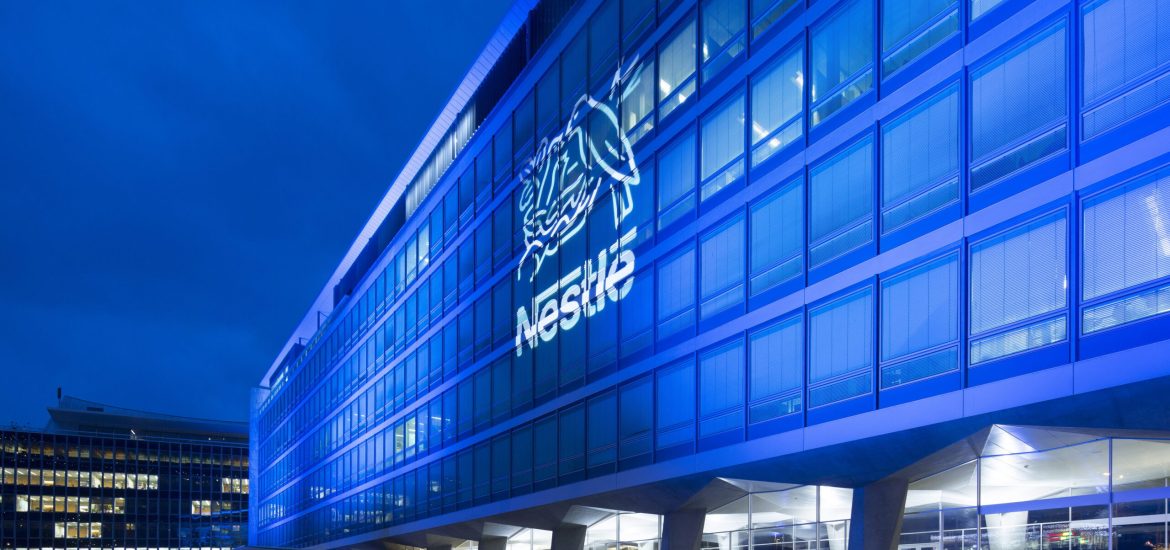

Nestlé is undergoing a phase of profound transformation with mixed results, following a quarter marked by sales growth but also pressure on margins and volumes in some key areas. The Swiss group has initiated a portfolio and corporate structure review under the guidance of new leadership, aiming to revive growth after years of underwhelming performance.
RESULTS AND MARKET REACTION
According to Reuters, Nestlé recorded organic sales growth of 3.7% in the second quarter, exceeding analysts’ expectations of 3.6%. The increase was supported by price hikes of 1.9%, above the average estimate of 1.8%, and real internal growth, an indicator of sales volumes, of 1.8%, in line with expectations. For the full year, the group now forecasts organic sales growth between 3% and 4%, compared to the previous target of around 3% growth.
However, despite the revenue figures, the Financial Times reports that investor reaction was negative. Nestlé shares fell nearly 7% after the results were published, marking the worst decline since 2020. The market reacted to the margin outlook revision and volume data, considered below the more optimistic expectations. “Considering the upside, we do not believe the volume data is positive enough,” said Warren Ackerman, analyst at Barclays.
MARGIN PRESSURE
The group’s operating margin, the financial daily continues, decreased by 0.1 percentage points year-on-year, reaching 16.4% in the first half. Operating profit fell by 2.8% to 7.1 billion Swiss francs, equivalent to 8.7 billion dollars. The margin decline was mainly attributed to rising coffee and cocoa costs, increased marketing expenses, trade tariffs, and the effects of the global recall of infant formula products that occurred earlier this year, affecting over 60 countries and penalizing the nutrition division’s growth in the first half.
Nestlé stated that the underlying operating margin for the second half of the year will be higher than the first half due to reductions in coffee and cocoa costs. However, the company also flagged higher transport and energy costs linked to the Middle East conflict. “The areas most impacted by the Middle East conflict are our operations in Asia, Oceania, and Africa,” said CFO Anna Manz. Bernstein analyst Callum Elliott noted that “the change in margin guidance for the rest of 2026 reduces Nestlé’s earnings appeal.”
GROUP REORGANIZATION
New CEO Philipp Navratil and Chairman Pablo Isla, former head of Inditex, are leading a transformation plan to simplify the organizational structure and focus on a narrower range of categories. Nestlé has started selling some less strategic businesses to strengthen its core brands. The group is also seeking a buyer for its main vitamins sector operations.
The portfolio review also involved the water business. Nestlé announced a joint venture with Platinum Equity for the premium water and beverage division. The new company, named Peranel, will be 50% owned by each partner and will have an enterprise value of 4.9 billion euros. The deal will bring Nestlé about 3 billion euros in cash.
THE (CHALLENGING) WATER BUSINESS
Peranel, Reuters reports, will include over 30 brands sold in 120 countries, including San Pellegrino, Source Perrier, Acqua Panna, and Nestlé Pure Life. The sale follows a long process started in 2024 when Nestlé announced its intention to reduce the division’s weight. In 2025, the group had already separated the business from the rest of the company.
The water business, the FT specifies, has faced difficulties in recent years related to consumer demand, investigations, and controversies over filtration and treatment processes of some products. In 2024, for example, Nestlé admitted to using unauthorized treatment methods for some mineral waters sold in France, and last year the division accounted for about 3.5% of the group’s total sales.
“It’s not a simple operation,” said a person familiar with the sales process. Platinum Equity, led by billionaire founder Tom Gores, remained the sole bidder after groups like KKR, Clayton Dubilier & Rice, and PAI Partners withdrew.




