Italy is ready to welcome Germany aboard the Gcap (Global Combat Air Programme), a program for a sixth-generation air combat system that should be operational by 2035, developed by our country together with the United Kingdom and Japan.
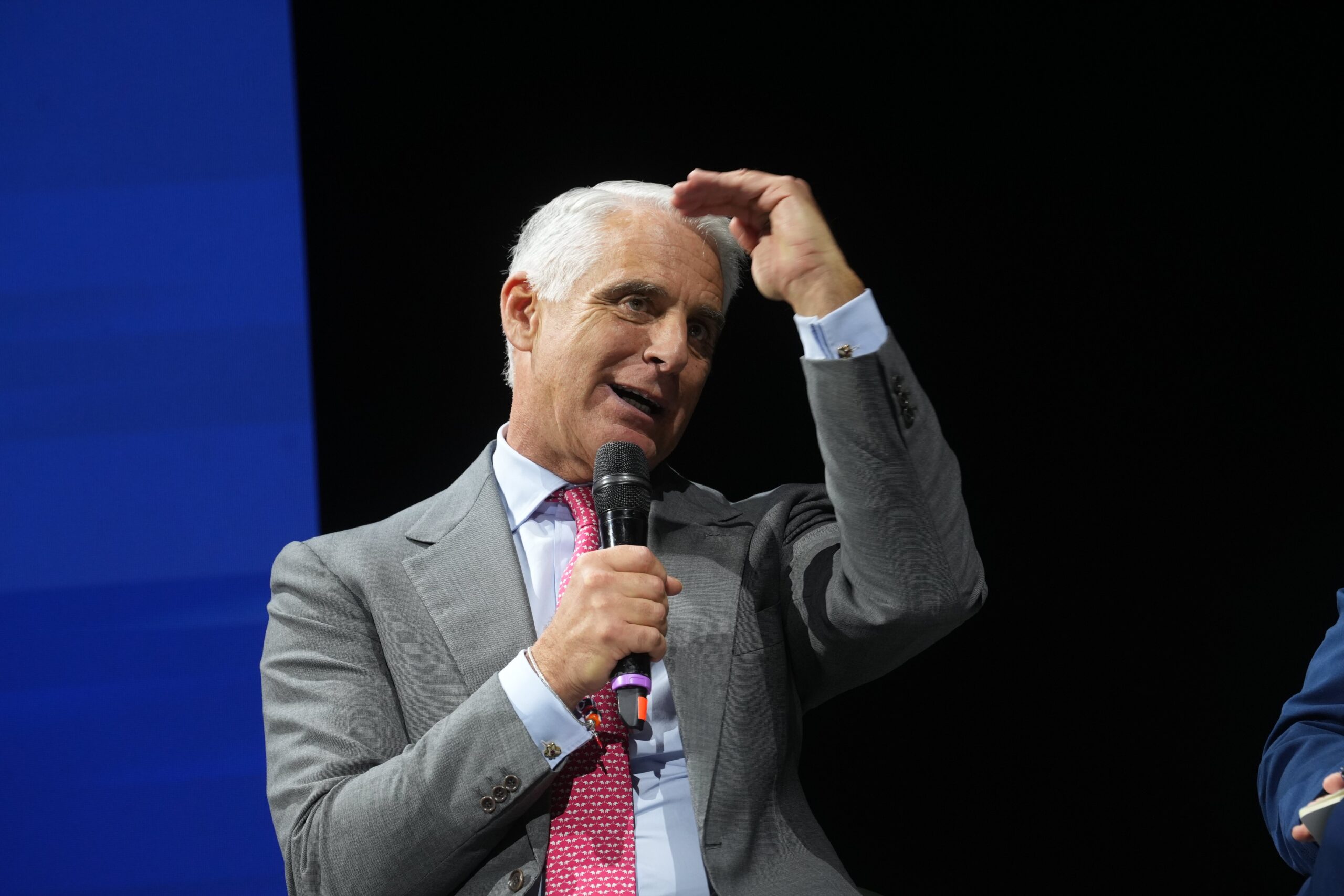
This was stated to the British newspaper Financial Times by Lorenzo Mariani, Leonardo’s new CEO, following Berlin’s withdrawal from the rival Future Combat Air System (Fcas) project that was supposed to be developed with France and Spain.
According to Mariani, who took over the leadership of the former Finmeccanica group last month, German participation in the Gcap would delay the project but bring long-term benefits.
All the details.
THE OBJECTIVE DIFFICULTIES OF FCAS
The head of the Italian defense and aerospace giant said he was not surprised by the failure of the Fcas project. Although political leaders pushed the project, Fcas encountered too many industrial-level difficulties.
The Fcas program – estimated to be worth over 100 billion euros – was designed to replace the French Rafale and the German and Spanish Eurofighters starting from 2040. However, the long unresolved dispute between the companies involved: the French Dassault and the German-based division of the European group Airbus, ultimately caused the program to collapse.
“You can start politically, but if the industry does not find the right common ground, the right objectives, the sharing of work, it is really difficult,” Mariani observed.
THE IMPLICATIONS OF GERMANY JOINING GCAP
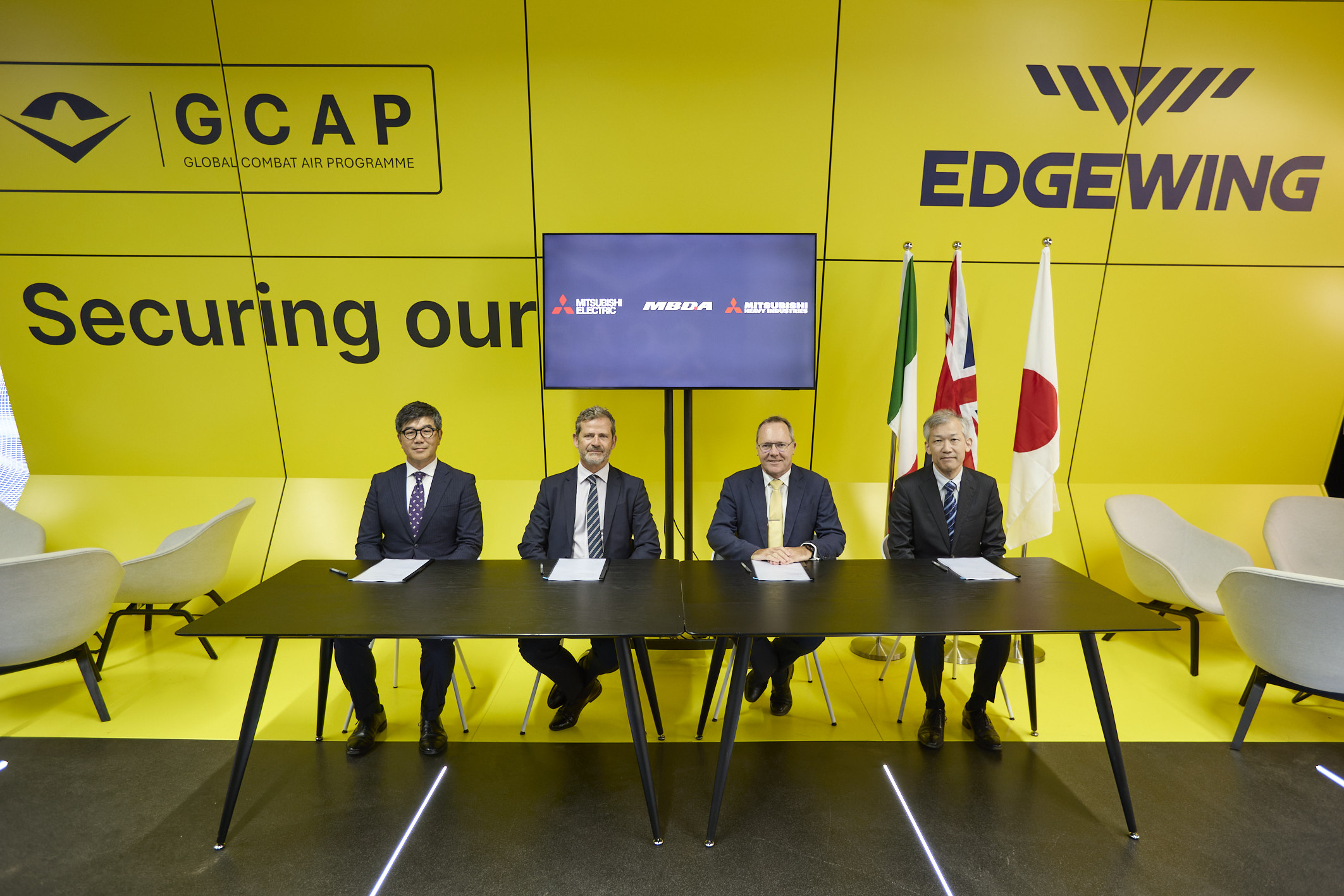
The Gcap project seems to be progressing rapidly. At the beginning of April, the first joint international contract for the program was awarded: the Gcap Agency, which manages the program on behalf of the three nations, awarded the contract to Edgewing, the trinational industrial joint venture established to lead the design and development of the program among the lead companies (Leonardo for Italy, Bae Systems for the United Kingdom, and Mitsubishi Heavy Industries for Japan).
Leonardo’s CEO told the British newspaper that involving Germany in the Gcap project at this stage would require intense negotiations. As the FT recalls, Japan has been reluctant to admit new partners, as it intends to avoid delays and meet Gcap’s goal of having a combat aircraft in service by 2035.
“If we wanted to involve a new nation now, with the same rights as the other three, that would be a bit destabilizing,” Mariani explained, but “the long-term benefits are evident.”
The manager added that while the existing Gcap partners have already agreed on a division of tasks after difficult negotiations, Leonardo and the British Bae Systems already boast successful collaboration with Airbus’s German defense division for the Eurofighter Typhoon.
“I would be pleased if some companies from the German industrial complex joined our activities,” Mariani emphasized. “These programs are always very demanding in terms of investments. They usually absorb more than initially expected. So having another partner with capital and industrial expertise would be positive.”
WHAT WILL HAPPEN TO THE FUTURE AIR COMBAT SYSTEM PROJECT OF ITALY, JAPAN, AND THE UNITED KINGDOM
Furthermore, Germany’s potential interest arises amid uncertainty about the United Kingdom’s financial commitment to the project, following the resignation of John Healey as Defense Secretary this month, who criticized the government for its “reluctance to commit the resources necessary for the nation to defend itself in this period of increasing threats.” Healey pointed the finger at the UK government’s Defense Investment Plan (DIP), long delayed and designed to strengthen the country’s military readiness but blocked for months due to disputes between ministries over funding.
As Breaking Defense recalled last week, the Gcap project also faced a period of uncertainty due to internal tensions between the UK Ministry of Defence and the Treasury, which struggled to resolve a budget deficit. Last March, the Financial Times revealed that Japanese authorities were increasingly doubting London’s commitment to the project.
Last month, the United Kingdom signed a provisional contract to ensure the continuation of work on the program for three months. Now the partners eagerly await to understand what funds will be available in the DIP to finance Gcap beyond that period. But further delays are possible as today the British Prime Minister, Keir Starmer, announced his resignation from Downing Street,
However, Mariani expressed confidence in London’s continued participation in Gcap. “Combat aviation is such an important sector for the United Kingdom that it will never abandon this priority,” he highlighted. “It is important for the nation, for its geographical position, and for its industrial expertise.”