
After Germany, France also says goodbye to Palantir’s data analysis software, the controversial Californian data mining company with deep ties to US intelligence and military agencies.
The General Directorate for Internal Security (DGSI) has decided to discontinue the use of the US platform co-founded by Peter Thiel, while the French government is increasing investments in national artificial intelligence and promoting European champions such as Mistral and ChapsVision. A month ago, it was the German domestic intelligence agency that opted for a data analysis system developed by the French AI company ChapsVision, preferring it over the solution offered by the American Palantir.
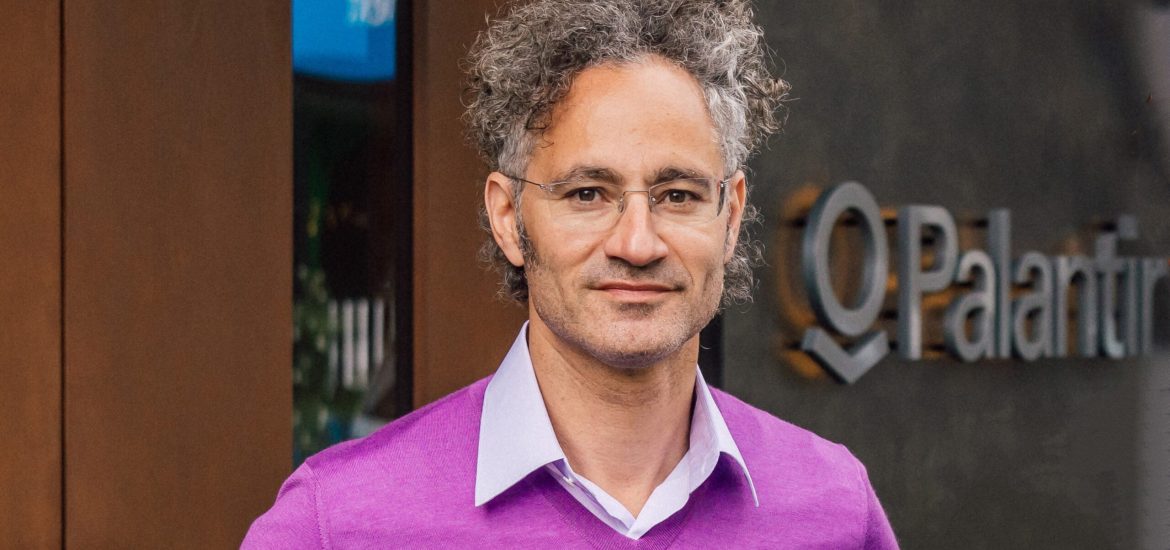
Also, a British parliamentary committee has recommended ending the NHS agreement with the company led by Alex Karp (in the photo), notes Bloomberg.
These decisions come amid growing transatlantic tensions over access to advanced AI technologies and the European debate on dependence on American suppliers.
All the details.
DGSI READY TO LEAVE PALANTIR
The General Directorate for Internal Security (DGSI) has chosen the French company ChapsVision to “replace the American giant Palantir,” declared Prime Minister Sébastien Lecornu in an online video published on the eve of the opening of VivaTech, the country’s largest technology conference.
The French domestic intelligence services had started using the American company’s software after the Islamist terrorist attacks of 2015, aiming to support analysts in processing large amounts of information. Despite the contract renewal for another three years in 2025, French authorities have now initiated a process to replace the US platform.
CHAPSVISION PREFERRED AS THE FRENCH ALTERNATIVE
The French intelligence agency has therefore terminated the ten-year contract with Palantir to collaborate with the French startup ChapsVision, attempting to free itself from foreign technology suppliers for critical government services.
ChapsVision provides software to companies and governments to help them analyze large amounts of data, a technology similar to Palantir’s, reports Sifted. Founded in 2019, the company has grown rapidly, reaching over 1,000 employees and recording revenues of nearly 200 million euros in 2024.
As already mentioned, last month, the German domestic intelligence agency (BfV) also announced it had chosen ChapsVision over Palantir, in an effort to reduce the country’s dependence on US tools.
PALANTIR’S RESPONSE
Palantir remains unmoved for now. The Denver-based company stated in a press release that the contract with the DGSI “remains fully in force” and that the collaboration with French authorities “continues in compliance with existing contractual commitments and in full accordance with the highest standards of security, data protection, regulatory compliance, and transparency.”
Palantir “shares the ambition of French authorities to strengthen national and European technological capabilities,” it concluded.
FEARS OF STRATEGIC DEPENDENCIES
The DGSI’s choice is therefore part of a broader French strategy aimed at reducing dependence on American technologies considered critical.
Prime Minister Lecornu also announced a public investment of 655 million euros in French artificial intelligence, arguing that Paris can no longer accept “strategic dependencies” in the digital sector. According to Lecornu, France should not “depend on the goodwill of some partners, capable of shutting off the access tap” to AI technologies.
French concerns intensified after Washington’s decision to require Anthropic to suspend international access to the most advanced AI models Fable and Mythos for national security reasons, highlights Bloomberg. A move that fueled the debate in Europe about the vulnerability arising from reliance on technologies developed overseas.
GROWING CONCERNS ABOUT PALANTIR IN EUROPE
The French decision comes as the European debate on Palantir’s role in public services grows.
In the United Kingdom, some parliamentarians have called on the government to consider terminating the contract between the National Health Service (NHS) and the American company, arguing that excessive dependence on a few US suppliers could leave essential services “at the mercy of foreign actors.”
London Mayor Sir Sadiq Khan also blocked a £50 million contract between the Metropolitan Police and Palantir, citing concerns related to procurement, ethical aspects, and potential reputational risks, reports today the Telegraph.
MACRON PUSHES FOR EUROPEAN LEADERSHIP IN AI
As the British outlet also highlights, the decision on Palantir came as Emmanuel Macron used this week’s G7 summit in Évian-les-Bains to present France as the European answer to American and Chinese dominance in artificial intelligence.
During the summit, Macron organized a meeting dedicated to the “safe, rapid, and effective implementation” of AI, with the participation of leaders from OpenAI, Anthropic, Google DeepMind, and Mistral.
European Commission President Ursula von der Leyen also revived the theme of European technological sovereignty, declaring: “We want our own AI.” Von der Leyen emphasized the need for Europe to develop autonomous technologies, infrastructures, and capabilities without fully relying on large foreign technology groups.