

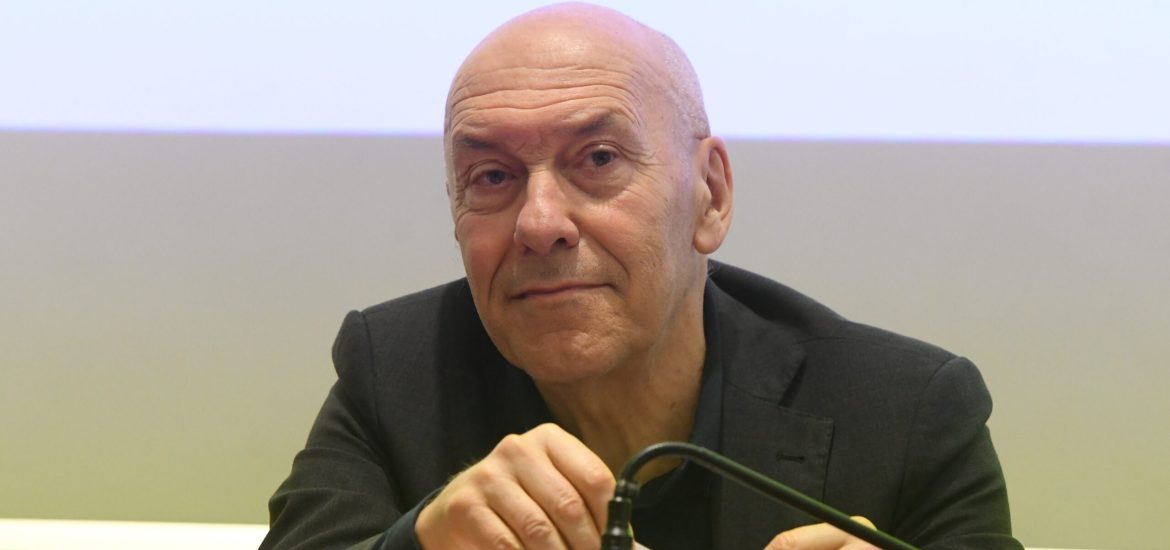

The memories that Claudio Velardi shares with the Corriere della sera of his years spent at the Fgci with Massimo D’Alema,
Velardi expresses it in a book published by Liberilibri, entitled “Si
But we were saying about La Russa, who on his part expresses reasonable and truthful opinions when he says that Almirante’s role in democracy was absolutely positive. The Missino secretary, in fact, helped contain a tragically dangerous neo-fascist and terrorist drift. And he also supported some important institutional operations, such as the election of the President of the Republic. Furthermore, he adopted a civil and even cordial attitude with many opponents in personal relationships: the mutual sympathy with the ecumenically mourned Marco Pannella was evident when the two met in public. The issue of Almirante’s tribute to Berlinguer’s funeral chamber first, a commendable act of courtesy that Giancarlo Pajetta and Nilde Iotti later had the opportunity to reciprocate four years later, and his funeral broadcast live on Rai is always recalled as proof of that underlying respect that today is invoked by political contenders who would instead be much more quarrelsome.
Let’s leave aside this last aspect, very debatable and conditioned by the praise of past times, by a widespread nostalgia that will certainly benefit the sales of Velardi and Testa’s book. Let’s also leave aside, regarding the second highest office of the State, that it would be desirable for him to speak less and avoid making public his sympathies, antipathies, and opinions on any topic. Maintaining an institutionally correct silence, like that of the president of whom he remains the deputy (even if Mr. Mattarella, to put it like Sinner, has been chatting more lately).




