


BYD IS IN A HURRY TO INCREASE ITS PRESENCE IN EUROPE
THE CHINESE PREFER TO BUY RATHER THAN COEXIST
VW PLANT IN DRESDEN ALSO IN THE SIGHTS
The number two thus also confirms the rumors that have emerged in recent days regarding the possible establishment of Byd in Germany, at the Gläserne Manufaktur in Dresden, the first factory Volkswagen was forced to close due to the crisis of the last period in 88 years of history. To the pain of those gates sadly closed would be added the shame of seeing the Chinese arrive there, who have become a power in the automotive industry thanks to the colonizing work of the German industry, present in the Asian country for four decades.
BYD TARGETS MASERATI?
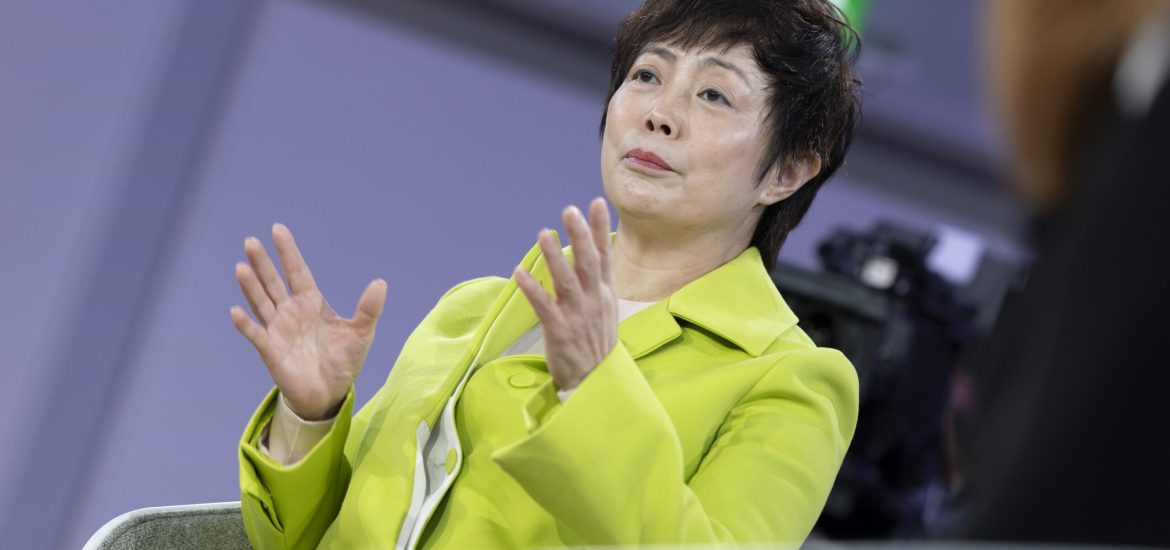
Returning, however, to matters that risk concerning us closely, Byd would not limit itself to targeting only struggling European plants, but also historic European brands in crisis, defined by the Chinese giant’s vice president as “very interesting,” although she then specified that at the current moment “no action has been taken.”
In this case, predictably, press rumors converge on the Italian brands in Stellantis’ portfolio – although Filosa has said and repeated that there is no intention to sell – from Lancia to Alfa Romeo, up to of course Maserati which emblematic with its very low numbers represents the crisis gripping the European automotive industry, also involving premium stables. And it is known: the Chinese love Italian luxury and style.
MASERATI CROSSES PATHS WITH OTHER CHINESE BRANDS?
In recent hours another ‘rumor has spread that on one hand distances the hypothesis of a Maserati sale but on the other strengthens the hypothesis of a “Chinese future” for the Italian trident. According to rather persistent rumors, Huawei, Jac Motors and Stellantis are working on a program for the development of hi-tech electric cars, with mass production planned very soon, namely for the second half of 2026. This project should be unveiled on May 21 and fall under the Maserati brand. Although a definitive agreement has not yet been signed, several sources already consider two cars certain: a Maextro model for China, the result of the Huawei-JAC collaboration, and a version with the Maserati brand for international markets.
The collaboration would be structured to follow Huawei’s HIMA alliance model, which assigns specialized roles to each partner to optimize product launch timing: therefore the software house known for smartphones, tablets and smartwatches but also active in software and operating systems production will define the product and provide the basic technologies, the compatriot Jac will oversee R&D and production while Maserati will contribute with its design expertise and naturally bring the value of its brand known worldwide.
MEANWHILE BYD SCOOPS UP EUROPEAN TALENTS
As detailed as they are, these are still only rumors at the moment. The certainty lies elsewhere: while Byd waits to land its strongest blows, Stella Li candidly admitted that it is scouting European engineering talents taken from local car manufacturers: “We are hiring a lot of staff for R&D in the UK, France and other regions,” the top manager said. Quattroruote speaks of figures coming from Mercedes and Porsche.
The same strategy, moreover, has been implemented in recent months by another Chinese giant: Xiaomi, which recently opened its new Research and Development hub in Germany, in Munich, drawing many workers away from neighboring Bmw.




