


(Financial Times Europe, John Thornhill, 08 May 2026)
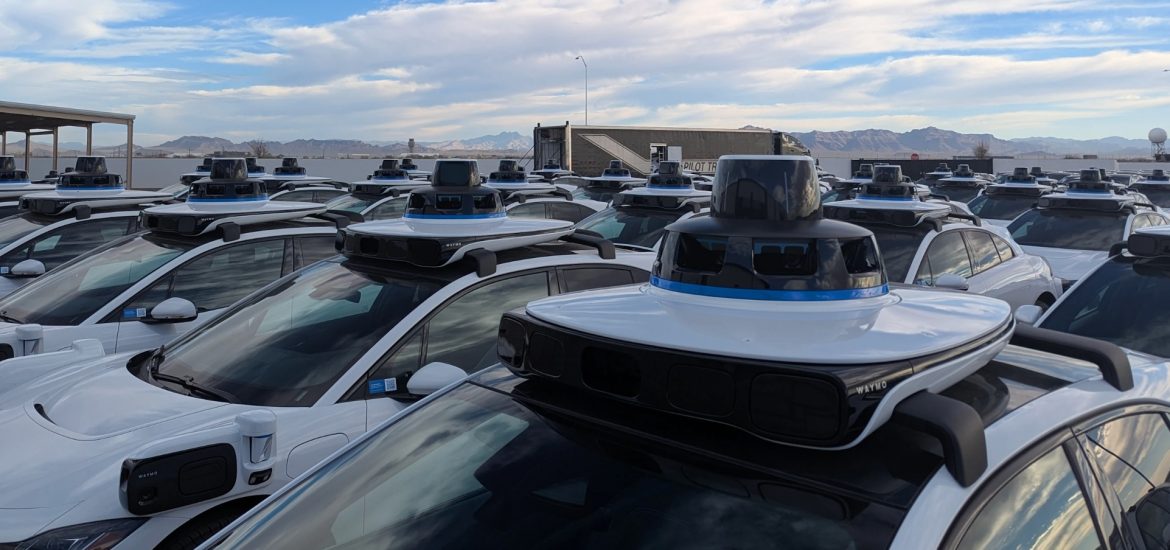
Autonomous cars are already an everyday reality on the streets of San Francisco and over 10 American cities with Waymo, and in Wuhan and 20 other Chinese cities with Baidu’s Apollo Go robotaxis. Passengers quickly move from amazement to boredom as the steering wheel turns by itself. Soon the competition will also reach London, where both Waymo and Baidu will test services, and where the startup Wayve will collaborate with Uber.
However, history teaches us that the winner is not always the one with the best technology, but the one who manages to implement it faster, at scale, and at competitive costs. China is winning the deployment race thanks to industrial advantages (it produces 90% of key components such as lidars), simpler regulators, and a specialized low-cost workforce. A robotaxi costs about $40,000 in China versus $130,000–200,000 in the US. The United States maintain the lead in innovation and safety but risk being overtaken in mass commercialization.
Chinese Advantages in Deployment
“China has industrial, regulatory, and human advantages. It produces 90% of some key components such as lidars, with huge economies of scale. A robotaxi costs $40,000 in China versus $130,000–200,000 in the US.”
Regulatory Differences
“A simpler regulatory regime in China has facilitated the rollout of robotaxis, allowing more data to be collected to improve AI technology.”
Safety and Perception
“Only 35% of Americans would get into a driverless car, compared to 60% of Chinese. Waymo has driven over 200 million miles without fatalities, but the data is collected under favorable conditions.”
Role of Governments
“Governments should establish national or international rules to facilitate adoption, impose greater transparency, and conduct rigorous testing to increase public trust.”
Market Not Winner-Takes-All
“The driverless car market may not become winner-takes-all. Different operators with different technologies and business models could coexist, with consumers choosing based on convenience, price, and perception of safety.”
(Excerpt from the newsletter by Giuseppe Liturri)




