

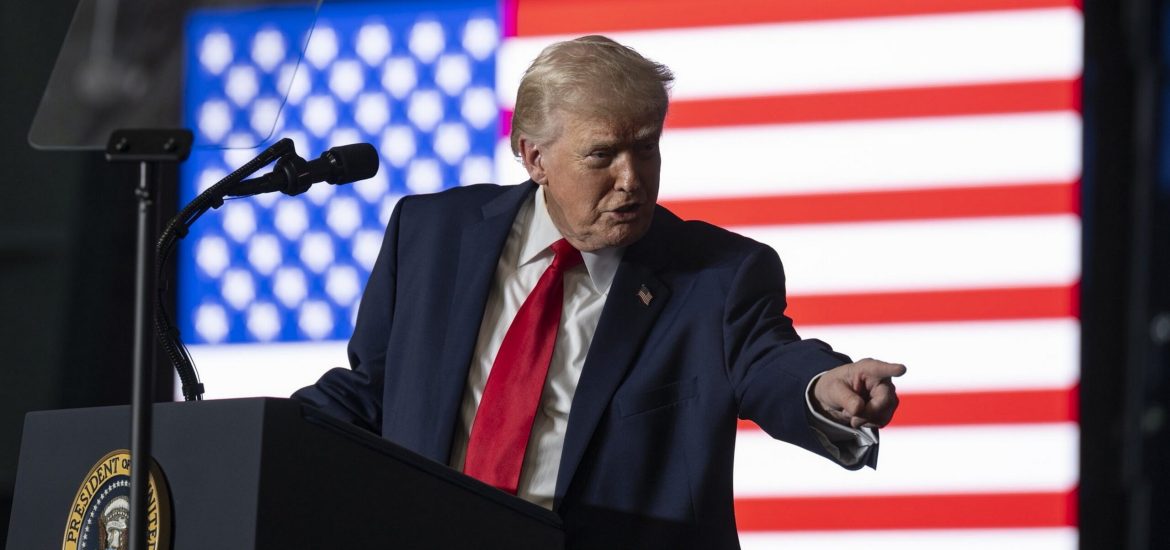

With an executive order signed on June 2 by President Donald Trump, the United States government has asked artificial intelligence companies to deliver their most advanced language models to federal agencies so they can be tested before public release. The Trump administration wants to assess the cybersecurity risks related to the use of these tools after Anthropic’s Mythos demonstrated particular effectiveness in identifying – and potentially exploiting – vulnerabilities present in software.
THE GOAL OF THE AMERICAN GOVERNMENT
Although the executive order seems to suggest a change of approach compared to the deregulation promised by Trump to technology companies, it is actually a relatively “light” intervention.
It is true that the American government will have a more active role in monitoring emerging technologies, but Washington seems more interested in establishing a deep relationship with artificial intelligence companies rather than acting as a gatekeeper, the literal “gate guardian” who decides who can access the market and under what conditions. Simply put, the gatekeeper approach is the one followed by the European Union, aimed at better protecting consumers.
The ultimate goal of Trump’s order, instead, is to strengthen American national security through the enhancement of cyber defenses of government agencies, critical infrastructures, banks, and hospitals.
WHAT TRUMP’S EXECUTIVE ORDER PROVIDES (AND DOES NOT PROVIDE)
The executive order specifies that the delivery of artificial intelligence models to government agencies (the Departments of Treasury, Defense, Commerce, and Homeland Security) will be on a voluntary basis. The testing period will last a maximum of thirty days, rather than ninety as hypothesized in May. Finally, the Trump administration explained it does not intend to create authorization or licensing mechanisms for new artificial intelligence systems.
Moreover, the Department of Commerce had already launched a program – also on a voluntary basis – for the evaluation of artificial intelligence models before public release: participants include Microsoft, Alphabet, and xAi (Elon Musk’s startup), and OpenAI and Anthropic had also joined the initiative.
THE REACTION OF THE ARTIFICIAL INTELLIGENCE SECTOR
The tech sector reacted positively to the executive order. Kent Walker, head of Google’s legal office, called it “an important step forward.” For OpenAI’s CEO, Sam Altman, the measure “strikes the right balance” between regulation and freedom of innovation. And Anthropic – which is not on good terms with the Department of Defense – also said it wants to collaborate with the White House.
According to some of the main representatives of the artificial intelligence industry, in short, the executive order will not prove harmful to their business because, even if it might slow down the release of some models, it ultimately provides for “light” regulation.




