Today the prices of the two main oil contracts, the European Brent and the American West Texas Intermediate, both fell below $100 per barrel: markets reacted positively to the negotiations between the United States and Iran, which could lead to an agreement to end the war.
THE REAL STATE OF AFFAIRS
For the moment, however, no concrete progress has been made in this direction.
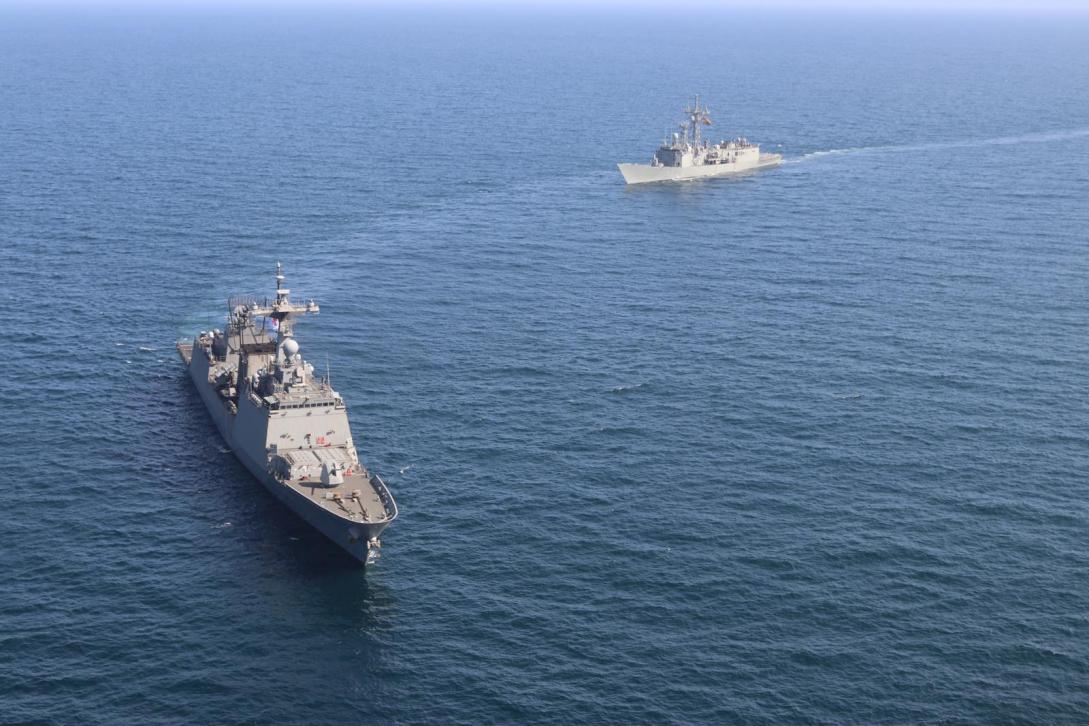
The Islamabad talks ended without any agreement, first of all. The US Navy then blocked the Strait of Hormuz – the goal is to prevent passage also to Iranian ships and those authorized by the regime, to economically damage Tehran – and announced plans to close the Gulf of Oman and the Arabian Sea as well: oil supply could therefore be further reduced.
In response, Iran said it would attack the ports of countries bordering the Persian Gulf.
TRUMP’S AND THE IEA DIRECTOR’S WORDS CAUSE OIL TO DROP
However, the American president declared that both the United States and Iran want to reach an agreement. That was enough to calm energy markets: Brent oil prices fell to $98.5 per barrel and West Texas Intermediate to $97.4 per barrel.
Optimism was also fueled by the words of the director of the International Energy Agency, Fatih Birol, who said that a new release of oil from the reserves of member countries of the organization might not be necessary, which in March had decided to put 400 million barrels on the market in total. Birol had described it as an emergency intervention, which would have bought time but not solved the situation: the crisis would only subside with the unblocking of the Strait of Hormuz, through which normally passes one fifth of all crude transported by sea every day.
TABARELLI’S VIEW
The situation is undoubtedly serious, but perhaps “it is not as dramatic as one might have expected” despite the closure of the world’s most important waterway for fossil fuel trade: economist Davide Tabarelli, founder of Nomisma Energia and commissioner of Acciaierie d’Italia, wrote this in Sole 24 Ore.
“The big difference today compared to the ’70s,” that is to the oil shocks of 1973 and 1979, he explains, “is that there is not that widespread certainty of scarcity that dominated all economic reflections about the future back then.” At the time “there was certainty that resources would not be enough for the growing population, then at 3.5 billion.” Today we are many more, over 8 billion people, but gas and oil reserves – that is, the two energy sources directly affected by the crisis in the Persian Gulf – “have been steadily increasing over the last 50 years […]. Never before has there been so much oil in the world as now.”
The geographical distribution of hydrocarbon supply is also less concentrated: the Middle East’s weight has significantly decreased compared to the seventies and production has increased in South America, Africa and especially in the United States, today the world’s largest producers of crude oil and natural gas.
“The world is full of oil and gas,” concludes Tabarelli: “it is just a matter of speeding up the construction of structures that avoid Hormuz, it will take time, perhaps we should also implement rationing in the coming months, or even destroy demand with recession, but it will be a temporary sacrifice, with wounds easier to heal than those of the ’70s.”