

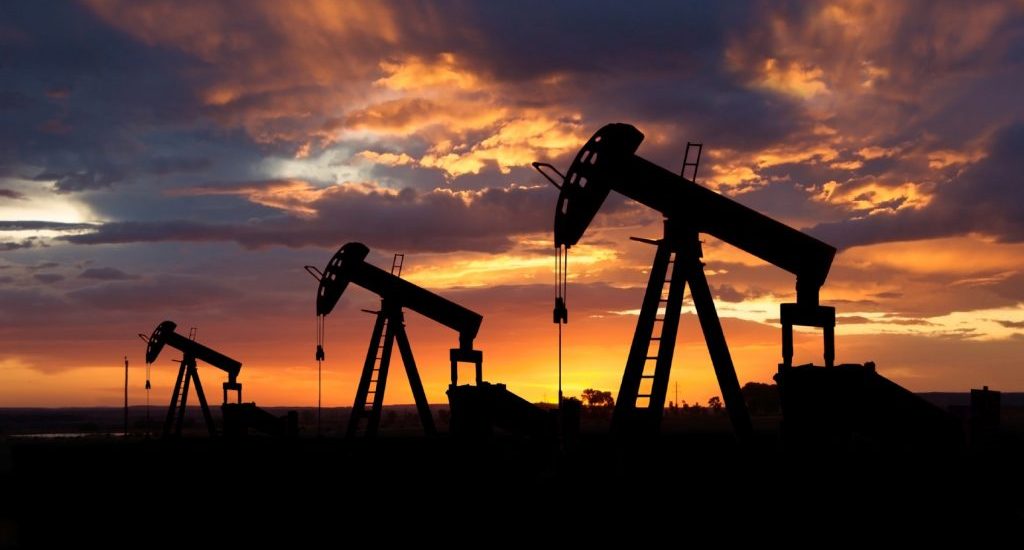

If there are winners in the business world in the war with Iran, they are Western oil companies, which are reaping the benefits of much higher energy prices. But don’t expect them to invest their huge profits in extracting much larger quantities of oil and natural gas, at least not yet.
HOW OIL PRODUCTION IS GOING IN THE UNITED STATES
In fact, last week there were fewer active drilling rigs in the United States than when the war began on February 28, according to energy company Baker Hughes. Domestic oil production could even decline in 2026, the Department of Energy said last month. There are several reasons why oil companies are taking such a cautious approach. Drilling a new well and extracting oil takes many months.
As a result, companies base their decisions much more on forecasts of crude prices six months to a year ahead, rather than on the current price.
WHAT ANALYSTS AND INVESTORS WANT
Moreover, Wall Street analysts and investors generally prefer that oil companies stick to their budgets rather than chase higher production and risk losing money if the Strait of Hormuz reopens soon and oil prices collapse.
“Do you want to be that fool who sees oil at $100, increases the budget by 25%, and then watches the oil price crash?” said Dan Pickering, chief investment officer of Pickering Energy Partners, a Houston financial services firm.
THE RESPONSE OF OIL COMPANIES
The response so far from U.S. oil company executives has been a resounding “no.” The two largest U.S. oil companies, Exxon Mobil and Chevron, released first-quarter results on Friday and said they would not drill many more wells than planned before the war. “We believe we are producing the maximum amount possible,” said Neil Hansen, Exxon’s chief financial officer, referring to the company’s operations in West Texas and New Mexico.
Before the war, Exxon planned to increase production in that region by about 13% this year. Its overall production plans have taken a big hit because the company owns numerous assets in the Persian Gulf, where it typically operates through joint ventures with state oil companies.
Chevron, which before the war aimed to expand its global production by up to 10%, took a similar tone. “We will not change our plan,” said Chevron CFO Eimear Bonner in an interview. “It all comes down to discipline.”
PLANS OF EXXON, CHEVRON, AND OTHERS
According to a survey conducted last month by the Federal Reserve Bank of Dallas among oil and gas industry executives, Exxon and Chevron are not the only ones hesitant to change their drilling plans. Most respondents believed U.S. oil production would remain unchanged or increase by less than 250,000 barrels per day, about 2%, due to the war in Iran, if it increased at all.
This would replace less than 3% of the 10 million barrels of oil or more the world loses daily due to the closure of the Strait of Hormuz. Both Iran and the United States are limiting traffic in this important waterway, which separates Iran from the Arabian Peninsula. Even slightly higher U.S. production growth would be “nothing compared to the scale of the problem,” said Kaes Van’t Hof, CEO of Diamondback Energy, during an energy conference at Columbia University in April. “Compared to the global problem, it’s like putting a garden hose into an emptied Olympic swimming pool,” said Mr. Van’t Hof, whose company is based in Midland, Texas.
That said, according to data from S&P Global Energy Commodities at Sea, the United States is drawing on its reserves to export much more oil and other fuels than usual. Exxon and Chevron said they have run many of their refineries at full capacity. And there are early signs that domestic drilling activity could increase this year. On Thursday, ConocoPhillips, another major U.S. oil producer, raised its spending plans for 2026 and announced the installation of a new drilling rig in the Permian Basin, a prolific oil field straddling Texas and New Mexico.
Nonetheless, Conoco said it would likely pump less gas overall in 2026 than previously estimated, partly due to disruptions in Qatar, where the company holds stakes in natural gas projects affected by the war. Exxon and Chevron’s first-quarter earnings fell, mainly due to accounting reasons that masked the extent of the benefits the companies will gain in the future from higher oil prices.
Exxon’s earnings in the first three months of the year dropped 46% year-over-year, to $4.2 billion. Chevron’s first-quarter profit fell 37% to $2.2 billion.
Not all oil companies reported similar results. London-based BP said its first-quarter profits soared, partly thanks to its commodities trading division.
(Excerpt from the eprcomunicazione press review)


