The shareholders’ meeting of Triboo has approved the 2025 financial statements and renewed the corporate bodies, opening a new phase for the digital group listed on Piazza Affari since 2018. The figures show an improvement compared to the difficult 2024, but the company remains in loss and continues to deal with debt that required a complex renegotiation with the banking system.
MONTI REMAINS AT THE HELM OF THE TRIBOO GROUP
The main decision taken at the June 1st meeting concerns the confirmation of the corporate bodies and the approval of the 2025 financial statements. The shareholders appointed a board of directors composed of five members, all from the single list presented by the controlling shareholder Compagnia Digitale Italiana.
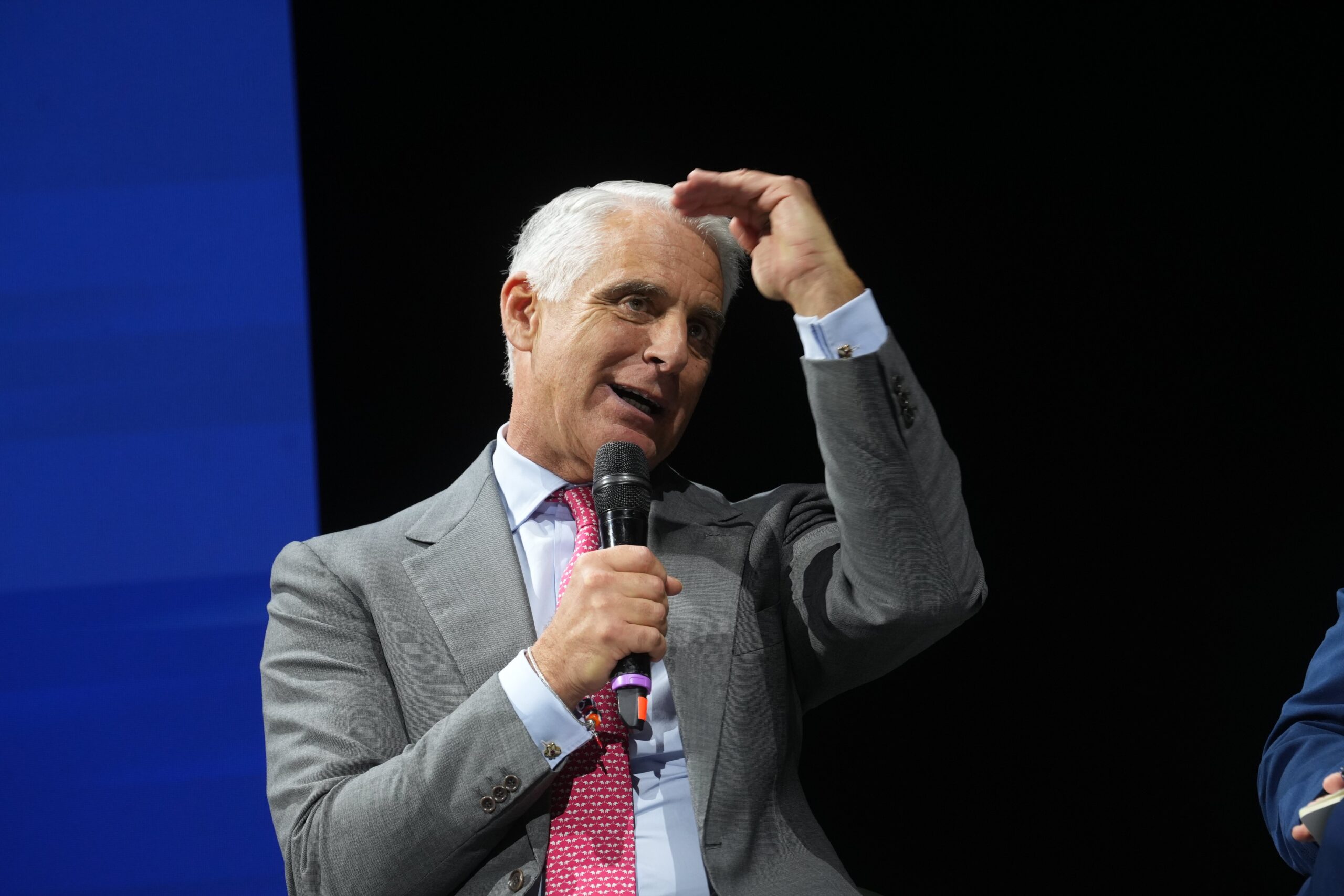
The board includes Riccardo Maria Monti (pictured), Giulio Corno, Ramona Corti, Dania Ferrari, and Cristina Mollis. The meeting confirmed Monti as chairman of the board of directors, while the board’s mandate will expire with the approval of the 2026 financial statements.
Compared to the previous board, composed of seven members, Vincenzo Polidoro and Bernardo Bellomi have left. At the same time, the board of statutory auditors was also renewed, chaired by Sebastiano Bolla Pittaluga.
Continuity at the top comes at a delicate phase for the group, coming off two years marked by a sharp contraction in revenues, significant write-downs, and the need to redefine the debt profile.
WHO IS TRIBOO AND WHO CONTROLS IT
Triboo is a company active in digital services, e-commerce, online marketing, and digital advertising. The parent company, based in Milan, operates as a holding company coordinating activities in software, internet services, digital marketing, and e-commerce through a complex network of controlled companies.
It has been listed on the regulated market of Borsa Italiana since 2018, when the stock was admitted to trading on the then MTA, now Euronext Milan.
The main shareholder is Compagnia Digitale Italiana, a holding linked to CEO Giulio Corno, who at the meeting held 58.88% of the capital. Treasury shares represent 3.19%, while about 38% of the capital remains in the hands of the market.
THE TRIBOO ECOSYSTEM
The corporate structure has progressively simplified compared to the years of greatest expansion but remains complex. At the center of the group are three strategic subsidiaries: Triboo Digitale, T-Direct, and T-Mediahouse.
The digital division includes numerous operational activities, including Triboo Technologies, Triboo Performance, East Media, Ephoto, Sabootage, and the Chinese companies active in Shanghai. On the media side operate Digital Bloom, Emittente Digitale, and other holdings in advertising and digital content sectors.
In 2025, the group also sold 80% of Esite, a company active in supply chain software and owner of the Spedire.com platform. The sale, planned in the industrial plan and completed for 4.4 million euros, generated a capital gain of about 1.5 million, contributing to the improvement of operating margins.
2025 RESULTS: LOWER REVENUES BUT RISING MARGINS
The figures approved by the meeting show a mixed picture.
In 2025, the group’s consolidated revenues fell to 52.6 million euros from 64.9 million in 2024, a contraction of 19%. The decline was mainly attributed to the termination of some commercial partnerships in the e-commerce area and the consequent reduction of the operational perimeter.
Despite the decrease in turnover, profitability improved. EBITDA rose from 6.2 to 7.9 million euros, while the operating margin on revenues increased from 9.5% to 14.9%. A contribution also came from the sale of Esite.
On the operational front, the result remains negative, but the improvement is clear. EBIT went from -9.6 million in 2024 to -0.9 million in 2025. The consolidated loss also significantly decreased, dropping from 11.2 to 2.3 million euros.
The parent company Triboo Spa alone, which mainly performs holding and coordination functions for subsidiaries, closed 2025 with revenues of 3.6 million euros, slightly up from 3.4 million the previous year. The loss decreased from 8 to 1.4 million thanks to the sharp drop in write-downs, while equity fell from 14.7 to 13.3 million.
THE IMPACT OF WRITE-DOWNS AND THE REASONS FOR LOSSES
To correctly interpret the 2025 improvement, one must look at extraordinary components. In 2024, the income statement was burdened by write-downs and provisions of about 9 million euros, down to 2.9 million in the following year.
The results of recent years were affected by the slowdown in e-commerce, the crisis that hit part of the fashion sector, and some major clients’ decision to bring online sales management back in-house.
According to management, the benefits of the rationalization measures launched in 2024 and cost containment began to materialize during 2025.
THE DEBT ISSUE AND THE AGREEMENT WITH BANKS
One of the most delicate chapters concerns indebtedness. At the end of 2025, the group’s net financial position stood at 16.4 million euros, essentially unchanged from 16.4 million recorded twelve months earlier.
Behind this apparent stability, however, lies a complex financial restructuring operation. During 2025, Triboo reached an agreement with lending banks to renegotiate medium-long term debt. The agreement involved suspending principal repayments for 14 months, extending deadlines, and revising financial parameters agreed with the banks.
According to the company, the operation was necessary to adapt the debt profile to the group’s actual financial capacity and support the 2025-2030 industrial plan.
The agreement also imposes some constraints, including the sale of non-strategic assets and limits on dividend distribution in the following years.
THE STRATEGY FOR 2026
For the future, Triboo aims to consolidate margins by focusing resources and investments on higher value-added activities.
The course remains that already charted in recent months: cost containment, sale of non-strategic assets, rationalization of the group’s structure, and greater use of artificial intelligence in operational and commercial processes.
In the background, there is also anticipation for some orders postponed from 2025, which could begin to impact the accounts already during 2026.