
Paris and Berlin have written the final chapter on the Fcas (Future Combat Air System) project, the program to develop the sixth-generation fighter jet born from the collaboration between Germany, France, and Spain.
It was 2017 when Emmanuel Macron and Angela Merkel had identified Fcas as one of the pillars of future European defense. Today, less than ten years later, the program risks becoming one of the most spectacular failures of European military industrial cooperation.
The Fcas program – estimated to be worth over 100 billion euros – is designed to replace the French Rafale and the German and Spanish Eurofighters starting from 2040. However, recently Fcas has been the subject of a long dispute between the companies involved: the French Dassault and the defense division of the Franco-German Airbus based in Germany.
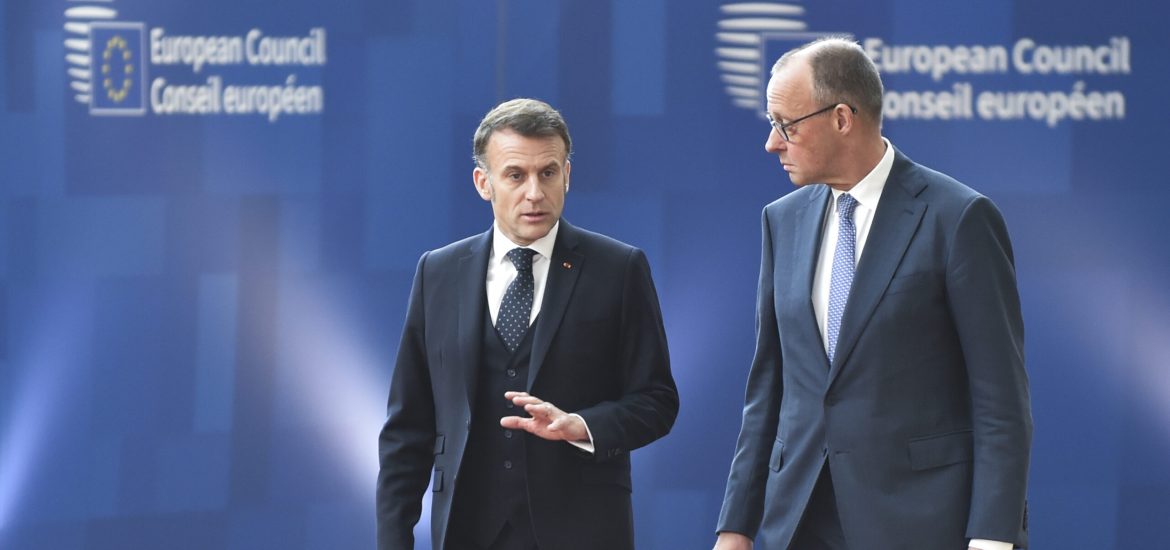
Now German Chancellor Friedrich Merz and French President Emmanuel Macron have agreed to “no longer pursue the creation of a joint combat aircraft,” reports Afp citing sources from the German government.
According to Reuters, citing German government sources, the two leaders concluded that the companies tasked with developing the aircraft failed to reach an agreement.
Chancellor Merz will officially announce the end of the European fighter project at the opening of the Berlin International Aerospace Exhibition (ILA), reports the French newspaper Les Echos.
The failure of the Fcas program represents a severe blow to efforts aimed at strengthening European cooperation in defense, comments the Financial Times. It would also demonstrate how difficult it is for countries to set aside national interests to cooperate on vital armament programs.
All the details.
THE DECISION OF MERZ AND MACRON
“The French president and the German chancellor have reached the shared conclusion that the companies (Airbus and Dassault Aviation, ed.) cannot find an agreement on building a joint combat aircraft,” the source told Afp confirming the rumors earlier reported by the Financial Times, according to which the German leader told his French counterpart during a meeting in Montenegro on Friday that it would be better to end the partnership for the fighter jet’s development.
TENSIONS BETWEEN DASSAULT AND AIRBUS
In recent years, France, Germany, and Spain had repeatedly tried to revive the project, but industrial disagreements between the main players continued to slow progress.
The governments of Paris and Berlin unsuccessfully attempted to mediate between the French Dassault Aviation and Airbus, which represents the industrial interests of Germany and Spain, in order to reach an agreement on the division of responsibilities and program control.
According to a European source familiar with the negotiations, the project had been on the brink for months due to disputes over technical specifications and governance of the future aircraft.
At the root of the failure are deep divergences: Dassault was unwilling to relinquish decision-making control over the fighter or share its know-how, while Airbus refused a subordinate role as a mere subcontractor. Tensions escalated into public mutual accusations, with both companies threatening to proceed separately, blaming each other for the deadlock.
THE POSSIBILITY OF SAVING THE FCAS NAME
Also according to the London daily, Merz reportedly proposed that the two countries and Spain, also a program partner, continue working together on the so-called combat cloud, the software architecture designed to connect in real time aircraft, sensors, radars, drones, and satellites. The cloud is already one of the pillars of the Fcas program.
A European source explained to Reuters that France and Germany were leaning towards a formula that would allow keeping the Future Combat Air System name for the remaining systems, particularly for the “combat cloud” and other digital and collaborative capabilities developed within the project.
According to the same source, this solution would also help manage the political implications of the decision. With the 2027 French presidential elections on the horizon, Macron would be reluctant to completely abandon a program he launched in 2017 together with then-German Chancellor Angela Merkel.
WHAT WILL HAPPEN NOW
The possible reorganization of the program would mark a turning point for one of the main European industrial cooperation projects in the defense sector, born with the goal of developing an integrated air combat system among France, Germany, and Spain.
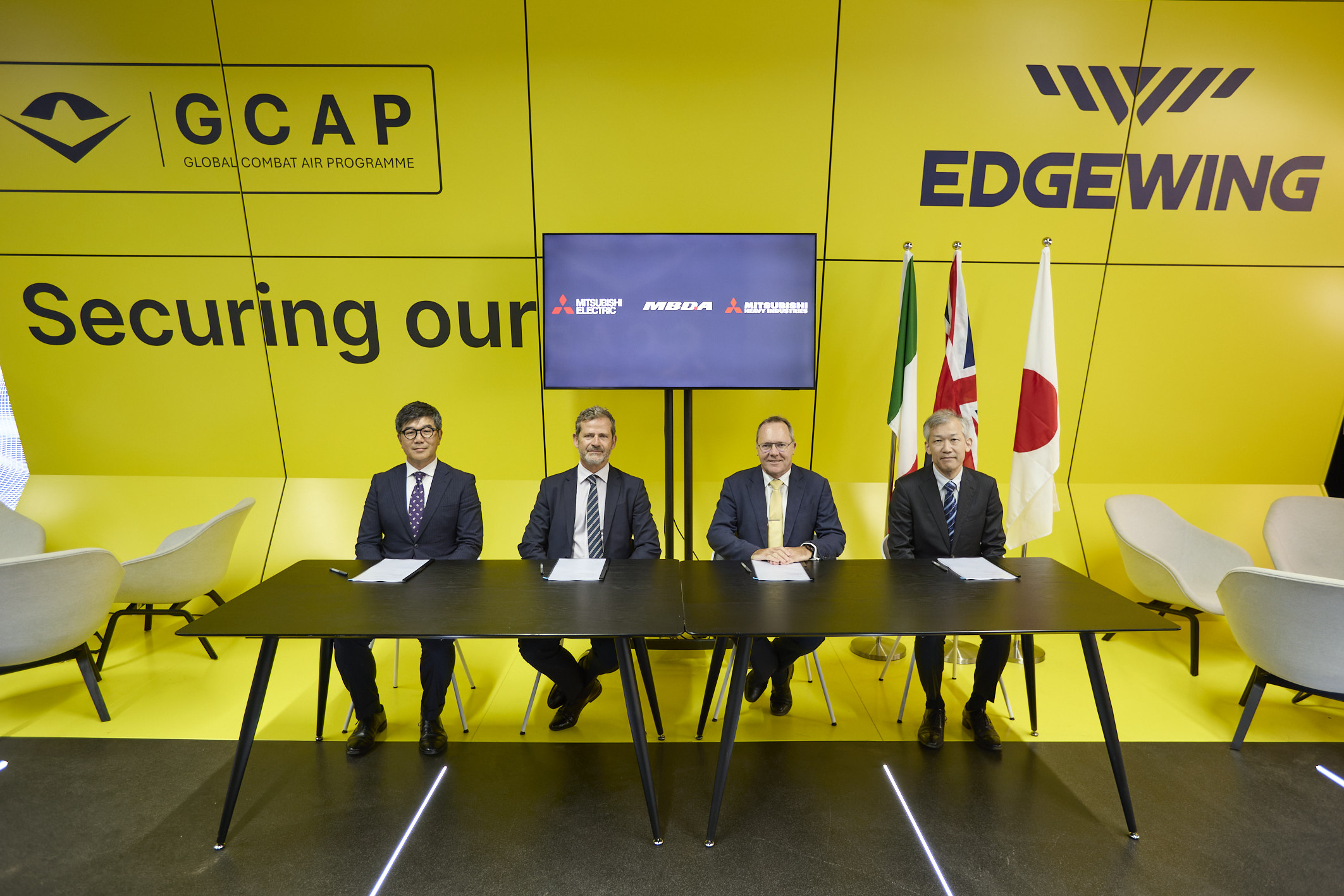
Meanwhile, the parallel Gcap (Global Combat Air Programme) project, developed by Italy, the United Kingdom, and Japan for a sixth-generation air combat system to be operational by 2035, is progressing rapidly. In early April, the first joint international contract for the program was awarded: the Gcap Agency, which manages the program on behalf of the three nations, awarded the contract to Edgewing, the trinational industrial joint venture established to lead the design and development of the program among the lead companies (Leonardo for Italy, Bae Systems for the UK, and Mitsubishi Heavy Industries for Japan).
There have long been rumors of the program’s expansion for the fighter of the future to other countries, particularly Berlin, since Fcas risked being definitively stalled. Germany’s possible entry into the Gcap program has been widely discussed since German Chancellor Friedrich Merz recently admitted in an interview that Germany currently does not need the same jet as France. Since the beginning of the project, Paris has indicated the need for an aircraft capable of operating from aircraft carriers and employing nuclear weapons to ensure sovereign capabilities. Merz added that if the requirement profile cannot be met, the project cannot be maintained.
And now the halt to the Franco-German-Spanish aircraft could bring Berlin closer to Gcap, the only Western multinational sixth-generation air combat program proceeding according to schedule.