


Sanlorenzo, a Ligurian company specialized in yacht building, is evaluating the acquisition of a company in the United States to strengthen its presence in the largest market in the world for luxury boats.
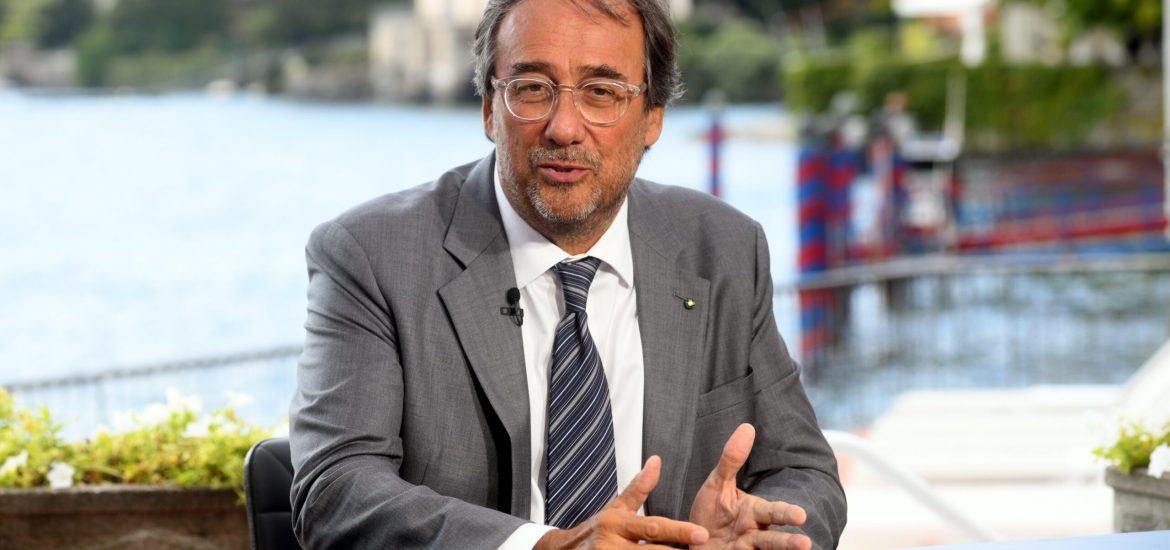
Massimo Perotti (in the photo), CEO of Sanlorenzo and majority shareholder with a 55 percent stake, has spoken of “interesting opportunities in America” and revealed that the company has started exploratory talks, but did not provide details.
SANLORENZO’S FIGURES
In 2025 Sanlorenzo recorded revenues of 960 million euros and a net debt of zero; its market value amounts to 1.3 billion. The company builds about seventy yachts per year, which it sells at an average price of 12.5 million. Over half of the revenues depend on yachts up to forty meters in length, and about 30 percent on larger boats (the so-called “superyachts”).
HOW YACHT BUYERS’ HABITS ARE CHANGING
If Sanlorenzo were to establish, as planned, a production presence in the United States, it would approach a vast market of potential customers and manage to contain the impact of American tariffs on goods imported from Europe. Perotti also pointed out that there are few yacht builders in the United States: “we believe that the trend to bring production back to America, started with Trump and tariffs, represents a long-term change in the way business is done,” he said.
The yacht sector is undergoing a phase of changing consumer habits. The average age of buyers, in fact, has dropped from sixty years to forty-eight, while the usage time of these boats has increased to 120-150 days per year: this is due to the spread of smart working and the enhancement of Internet connectivity at sea.
SANLORENZO COMPLAINS ABOUT METHANOL
Speaking at the Venice Climate Week, Perotti complained about the severe shortage – especially in the Mediterranean Sea – of infrastructure for refueling “sustainable” maritime fuels such as methanol, which forces boats to remain docked. Sanlorenzo has designed dual-fuel methanol yachts.
Methanol is the most widespread among the so-called “clean fuels” for ships. It is produced from electricity and releases CO2 when burned: however, since it is carbon taken from the air or organic waste, its emissions impact can be overall neutral. Methanol is, on average, more expensive than hydrocarbons and the country that produces it in the largest quantities is China.




