
After last week’s euphoria over the reopening of the Strait of Hormuz, the weekend saw a new closure following the blocking and attack on an Iranian ship by the US Navy. Today, a meeting between the US and Iranian delegations is expected to restart negotiations, barring any last-minute surprises. Despite this, many global stock indices last week not only fully recovered losses accumulated since the start of the crisis but even reached new all-time highs. There are two possible interpretations: either the market is confident in a quick resolution of the conflict, or operators prefer not to miss out on the current bullish phase, while still harboring concerns about the future repercussions of the energy price surge on global growth.
Italy and Europe: moderate growth amid slowdown and resilience
The Italian economy appears stagnant, with GDP growth estimated at 0.5% for both 2026 and 2027. A slowdown that places us at the bottom of the rankings, alongside Germany (0.8%) and a struggling United Kingdom. The entire Eurozone is under pressure: with an average growth forecast of 0.7%, the Old Continent emerges as the main victim of the Iranian crisis, caught between structural energy dependence and contraction in domestic consumption. The IMF report also warns of the risk of a new inflation wave which, in the worst-case scenario, could approach 6%, forcing central banks to maintain a restrictive stance. The ECB, however, appears less concerned. Isabel Schnabel, a member of the Governing Council’s “hawkish” wing, emphasized that there is no urgency to intervene, suggesting a cautious approach aimed at fully assessing the duration and impact of the conflict.
Consequently, the probability of a rate hike in April has dropped from 30% to 10%, while expectations for cumulative hikes this year have been scaled back to 50 basis points, compared to nearly 80 the previous week. On the Federal Reserve front, the scenario of unchanged rates in the short term is also strengthening. Vice Chair Williams reiterated that current uncertainty does not allow for precise guidance on the monetary policy trajectory.
Bond market and macro data: stability and mixed signals
In this context, movements in the bond market have remained contained: the 10-year Bund yield stands just above 3%, the 10-year BTP at 3.75%, while the BTP-Bund spread has further narrowed to 72 basis points. On the macroeconomic front, US producer prices rose 4% year-on-year, accelerating from the previous 3.4% but below expectations (4.6%). Components of the PCE index are mixed, justifying the Fed’s wait-and-see stance.
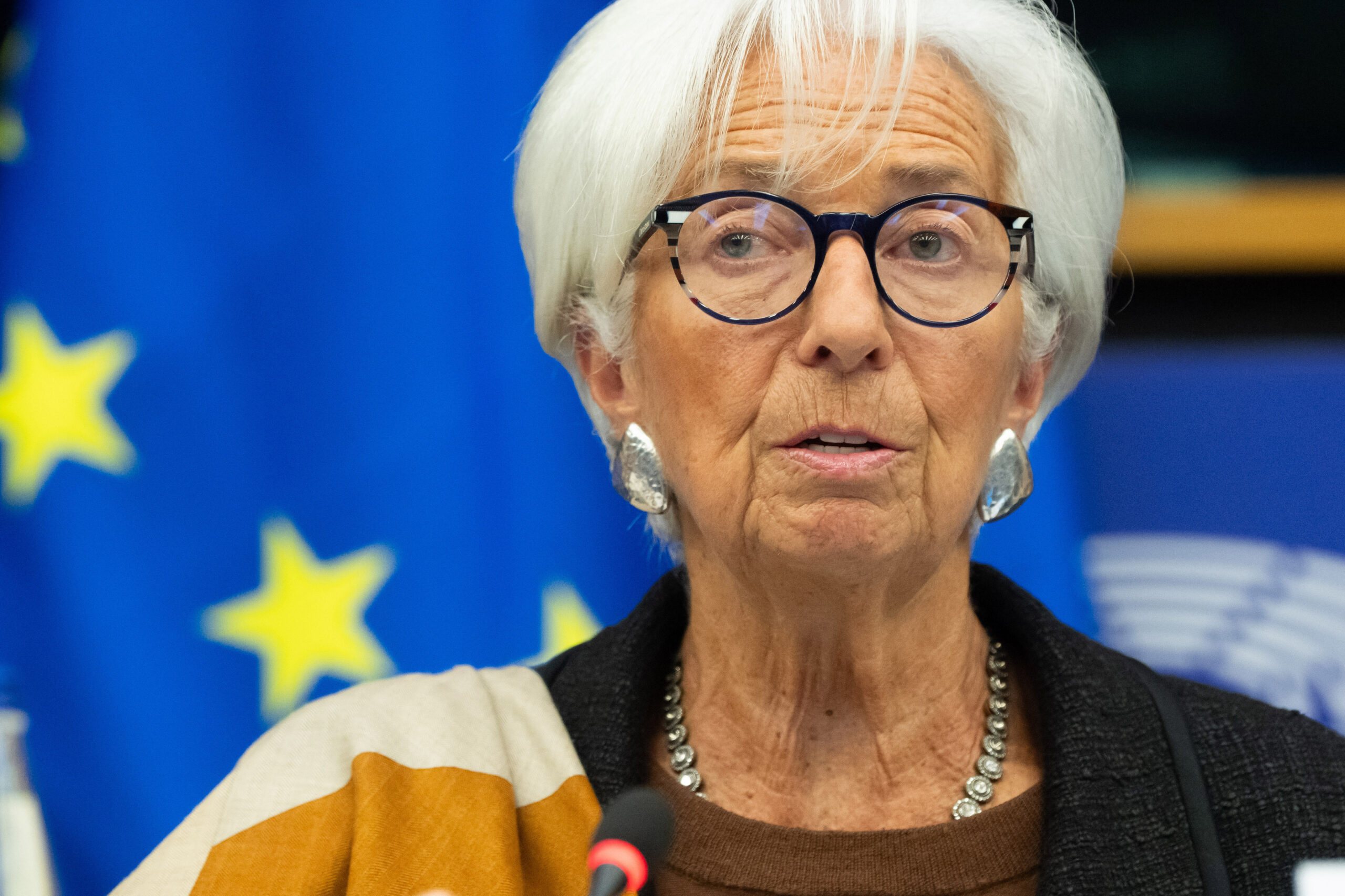
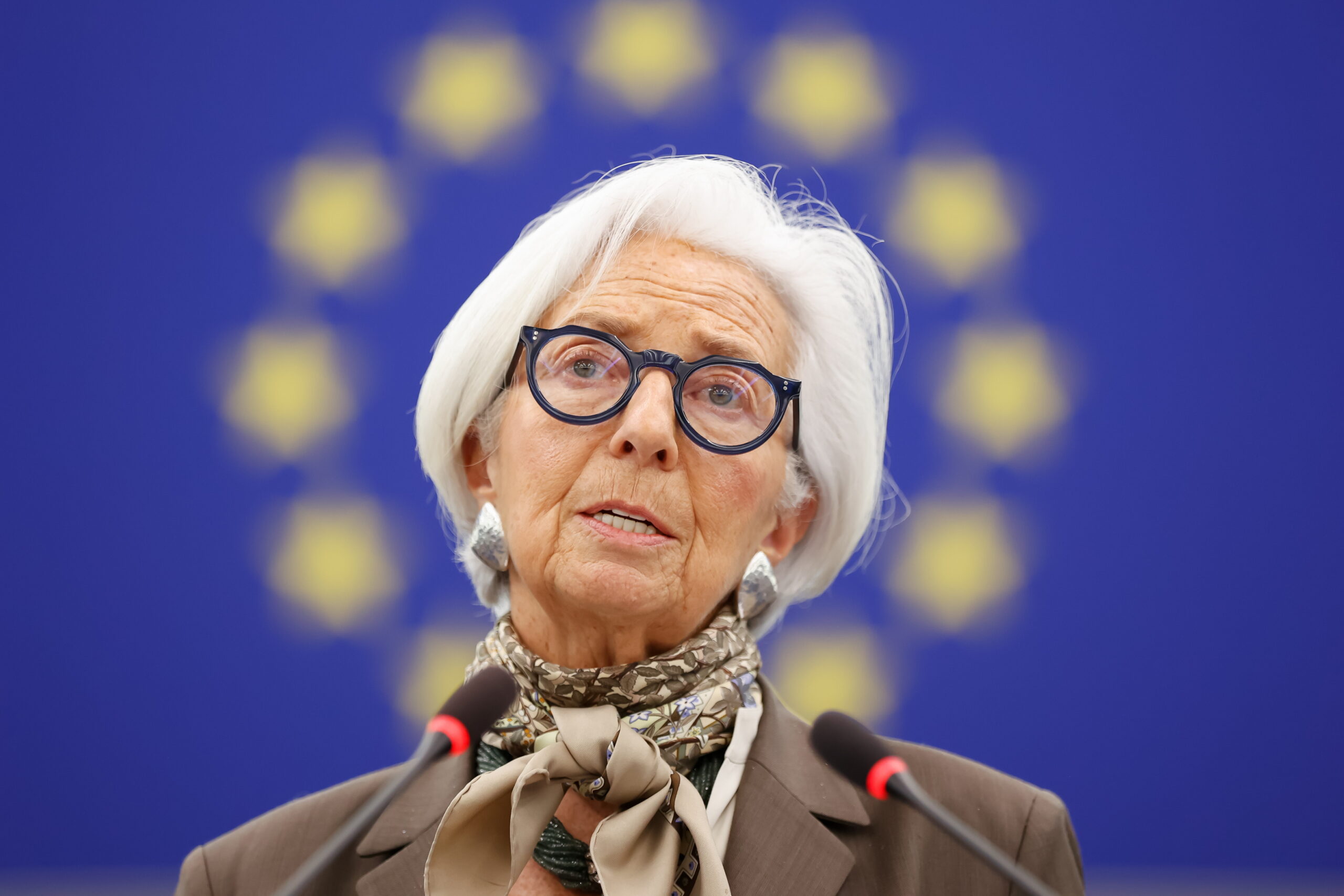
Christine Lagarde has also been more cautious, acknowledging that the Eurozone economy is diverging from the Eurotower’s baseline scenario, although not enough to require an imminent tightening.
Meanwhile, growing hopes for a truce have boosted risk appetite, weakening the dollar and pushing the euro/dollar exchange rate beyond the 1.18 threshold.
Outlook: PMI, central banks, and earnings season
Looking to next week, attention will focus on PMI indices of major economies, essential for assessing the crisis’s impact on business sentiment.
In the United States, March retail sales are expected to grow, also due to rising fuel prices. In Europe, the spotlight is on the German IFO index, forecasted to slightly worsen.
In Japan, inflation data will provide indications on the Bank of Japan’s next moves.
Finally, focus will return to central banks, with the latest ECB members’ interventions before the April 30 summit, where the status quo is expected to be maintained pending June, and on earnings season, which will kick off in earnest with Tesla’s results.