



The process of digitalization and standardization of the healthcare supply chain in Italy is progressing slowly, despite more than a year having passed since the entry into force of the European anti-counterfeiting system for medicines. According to the Gimbe Observatory report, carried out with the support of GS1 Italy, the digital transformation of pharmaceutical services is a strategic lever to ensure the safety of care and the economic sustainability of the National Health Service (NHS).
As Nino Cartabellotta, president of the Gimbe Foundation, emphasized, digitalization is not just a technological update but “an essential public safety measure.”
THE REGULATORY FRAMEWORK AND THE MISSING MEASURES
Italy, Gimbe points out, must comply with the European FMD Directive and EU Regulation 2016/161, which require the use of a unique identifier and an anti-tampering system on medicine packaging. Although Legislative Decree 10/2025 provides for a transitional period until February 9, 2027, the report notes that four of the nine necessary implementing measures have not yet been adopted.
These missing acts concern critical aspects such as the adaptation of the central database and the technical specifications for code registration. According to Cartabellotta, this delay “risks slowing down the entire transition process to the new European medicine serialization system.”
GS1 TECHNOLOGY AND DEVICE TRACEABILITY
The new identification standard is based on the GS1 DataMatrix code, which contains five key pieces of information including serial number and expiration date. At the same time, for medical devices, the UDI system has been introduced to strengthen traceability throughout the product’s life cycle, with extended obligations in Italy for high-risk devices such as pacemakers and joint prostheses.
Despite the historical advantage derived from the pharmaceutical stamp system, Marco Mosti, general director of the Gimbe Foundation, highlights that without integrated systems the risk is to “generate new operational inefficiencies” in the management of millions of packages.
THE SURVEY ON THE STATE OF PHARMACEUTICAL DEPARTMENTS
According to Gimbe, a survey conducted on 79 Pharmaceutical Departments in 17 Regions reveals an extremely heterogeneous reality.
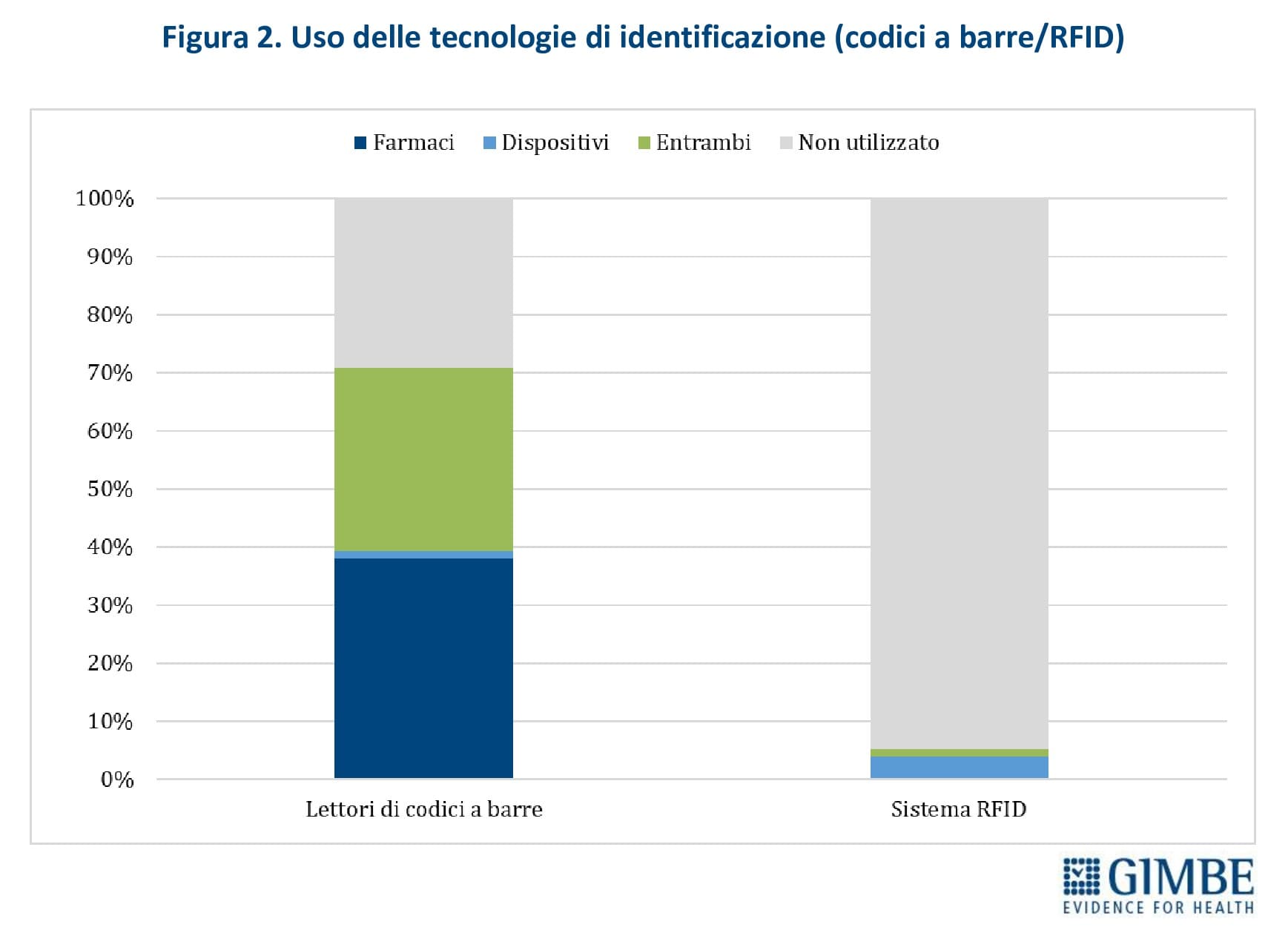
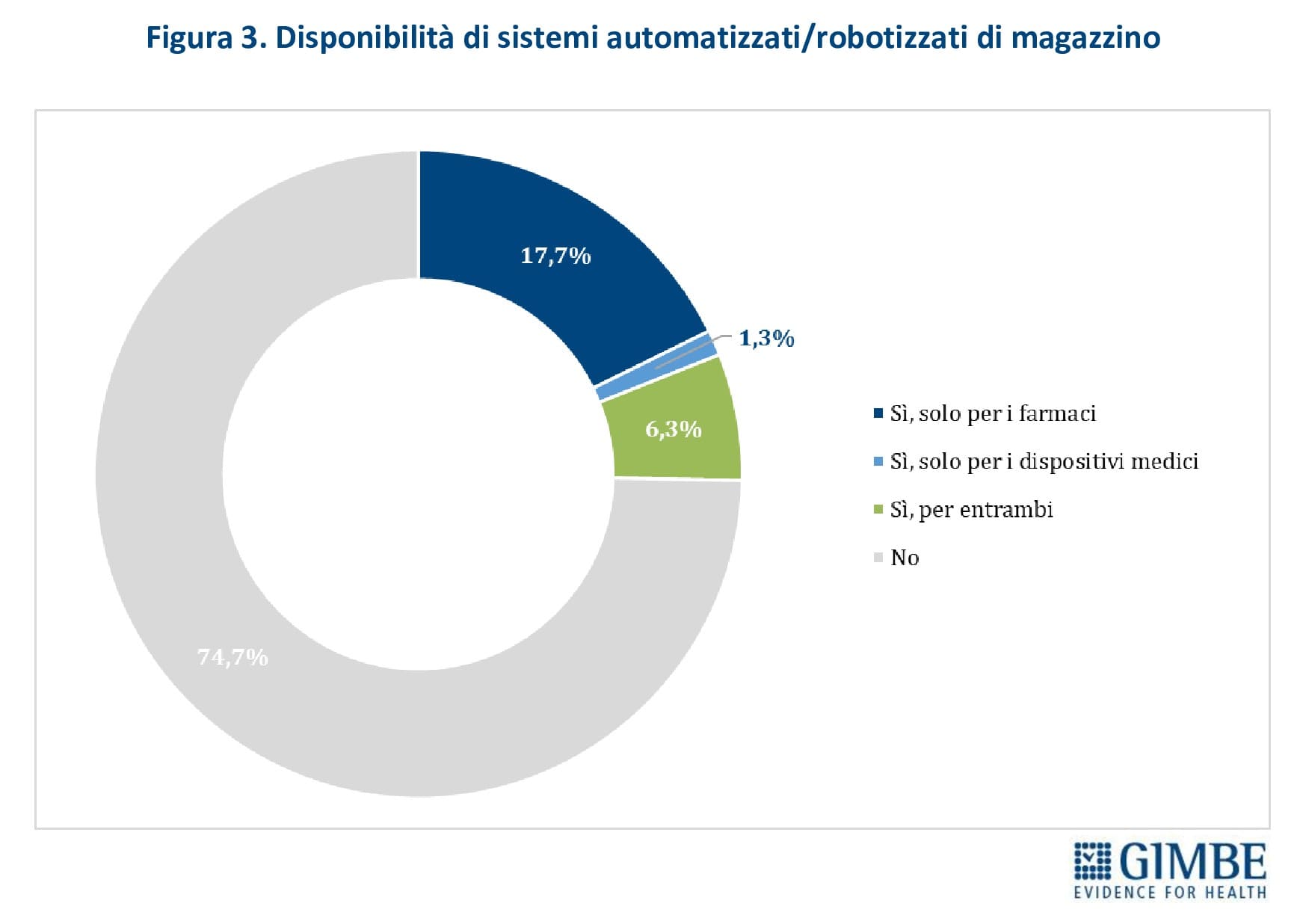
29.1% of the facilities still do not use barcode reading systems for traceability and almost three out of four facilities, 74.7%, lack automated or robotic warehouses.
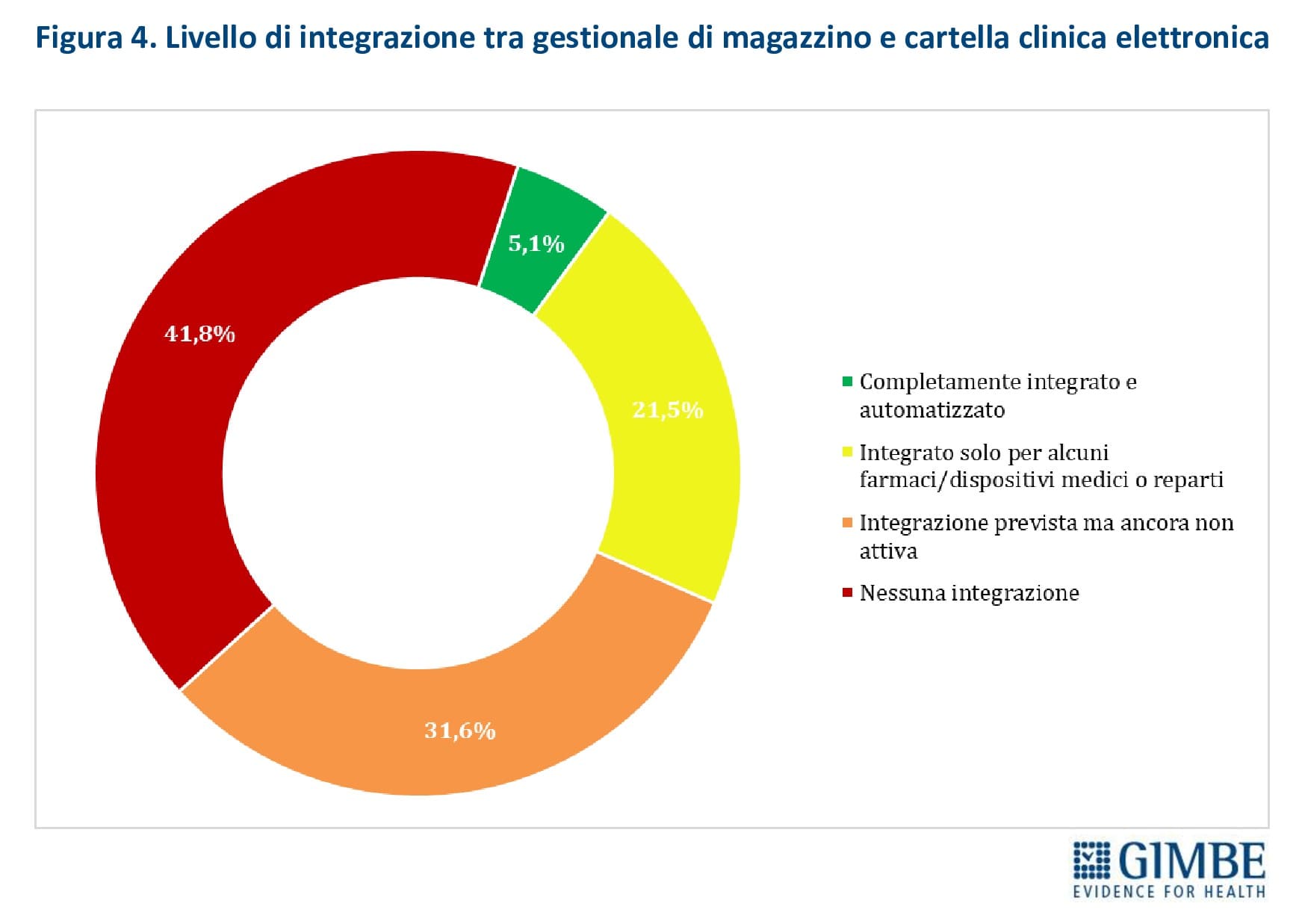
Furthermore, only 5.1% of departments boast full integration between warehouse management and electronic medical records, while 41.8% have no connection between these systems. According to Mosti, “highly manual and fragmented processes persist that risk slowing down the implementation of the new European systems.”
OPERATIONAL CRITICALITIES AND THE NEED FOR COMMON STANDARDS
The main difficulties reported by Gimbe include the absence of automation for 59.5% of respondents and communication problems between pharmacy and clinical departments for 25.3%.
Bruno Aceto, CEO of GS1 Italy, reiterates the need to “accelerate the digitalization of the National Health Service and the adoption of interoperable standards” to close the gap in combating counterfeiting. Meanwhile, Cartabellotta notes that digital traceability and automation are fundamental organizational challenges not only for safety but also to ensure appropriateness and the economic sustainability of the healthcare system.


