

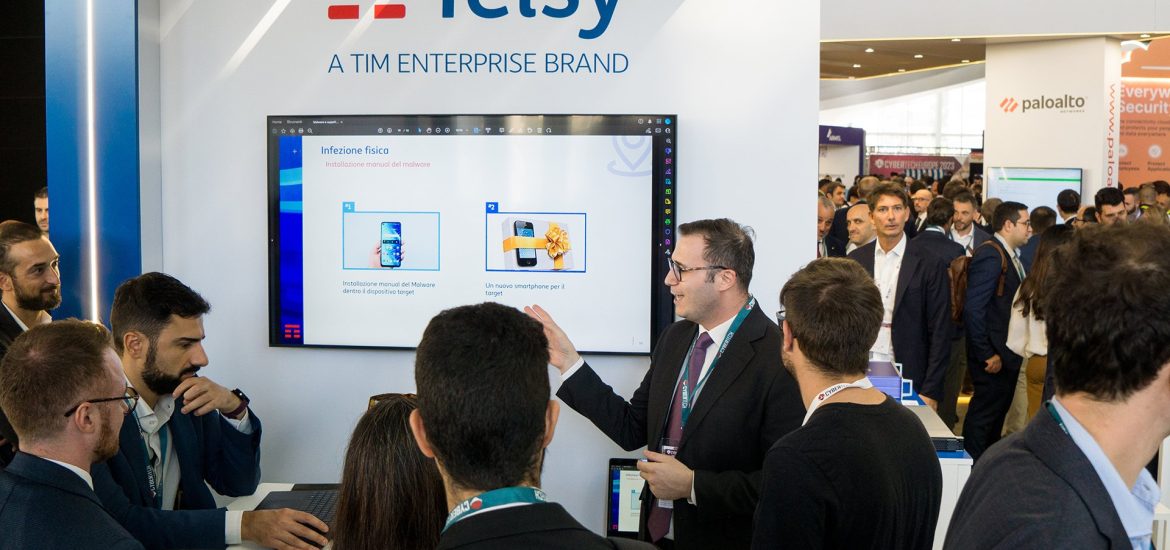

Tim has created for Sparkasse a digital infrastructure capable of resisting next-generation quantum cryptographic attacks, the first in Italy for a banking group. The network, developed by the subsidiary Telsy, active in the cybersecurity sector, guarantees Sparkasse a connection that protects data from potential threats related to the development of quantum computers.
WHAT QUANTUM CRYPTOGRAPHIC ATTACKS ARE
Quantum cryptographic attacks use quantum computers to break current encryption standards (such as RSA, ECC) in a short time, exploiting algorithms like Shor’s to factor large numbers. They represent a future but imminent threat, making the transition to post-quantum cryptography (PQC) urgent, based on complex mathematical problems unsolvable even by quantum computers.
For many experts, they represent a future but imminent threat, making the transition to post-quantum cryptography (PQC) urgent, based on complex mathematical problems unsolvable even by quantum computers.
WHAT TELSY DOES
“Securing infrastructures and communications is today more essential than ever, a mission that Telsy pursues through its expertise and proprietary technologies. The implementation of quantum-safe communications, carried out for Sparkasse, represents an important milestone and a virtuous model for companies and institutions that will soon need to equip themselves with future-proof solutions,” explained Alessandra Michelini, CEO of Telsy, the Tim Group’s competence center specialized in cybersecurity and communication security. The company operates with several offices across the country, including Turin (historic headquarters), Rome, Naples, and Orvieto.


