TOP STORIES
This week marked the first cycle of meetings of the main central banks since the outbreak of the conflict in the Middle East and, as expected, in the presence of high inflation risks, the tone of communication shifted towards a more restrictive stance, with significant implications compared to the relatively benign scenario that until recently characterized interest rate expectations for 2026.
The United States Federal Reserve (Fed) left rates unchanged in the 3.5-3.75% range and emphasized that developments in the Middle East present “uncertain implications” for the American economy. Chairman Jay Powell stated that, in the short term, “higher energy prices will contribute to raising overall inflation, but it is still too early to assess the extent and duration of the effects on the economy.” The new forecasts indicate that Fed members expect PCE inflation at 2.7% by year-end, up from the 2.4% estimated last December.
The Bank of England (BoE) kept rates unchanged at 3.75% with a unanimous vote, warning that a prolonged energy shock from the Gulf could fuel inflation and pave the way for further rate hikes. Governor Andrew Bailey stated that keeping rates unchanged represents “the appropriate choice” at this stage, while urging caution in drawing conclusions about possible future increases. He also emphasized that “the message has changed” following the energy shock and that rate cuts “are no longer on the horizon.” Previously, the BoE forecast UK inflation (CPI) at 2.1% in the second quarter of 2026; now estimates indicate a level of 3%, rising to 3.5% in the third quarter.
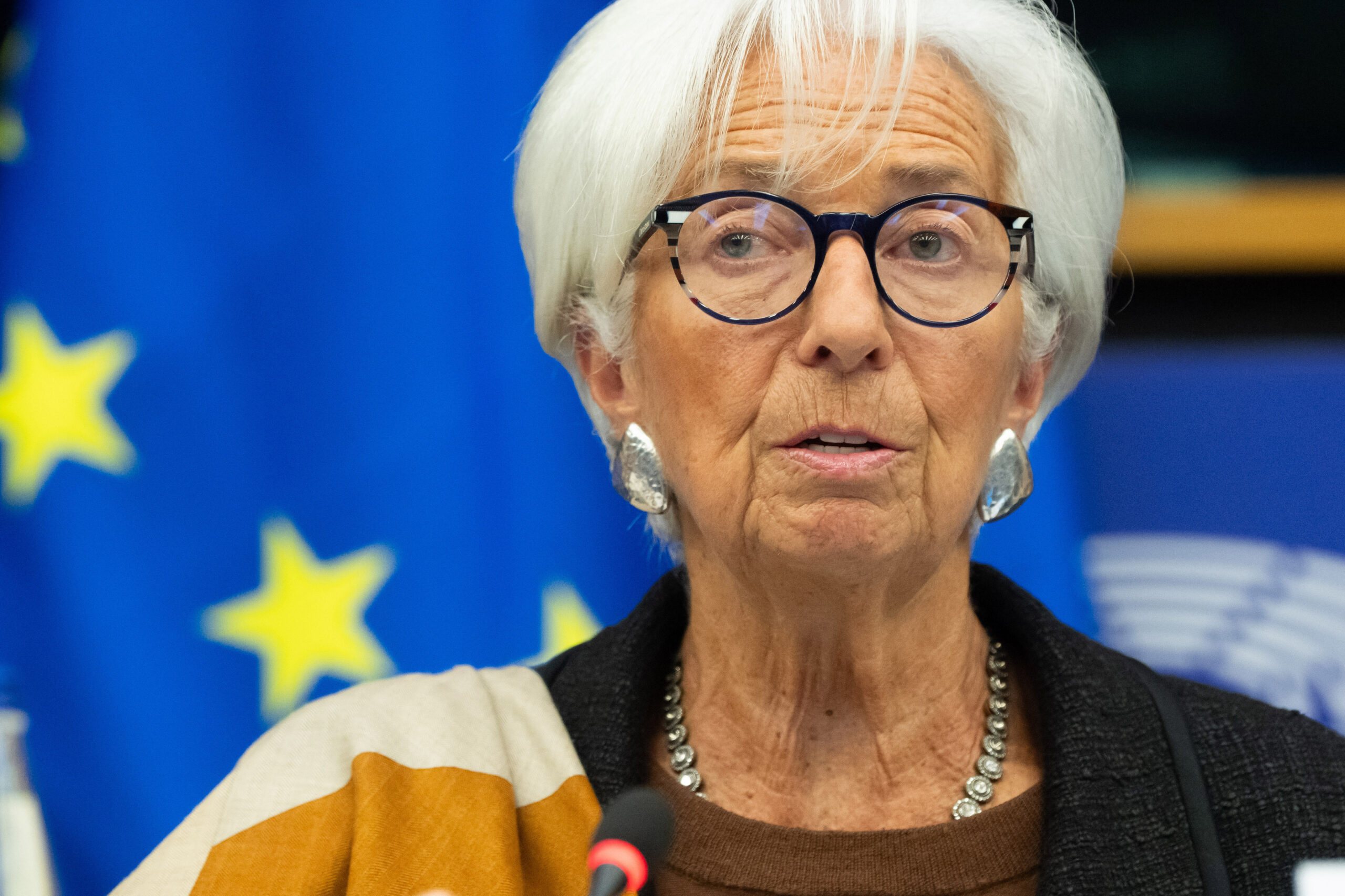
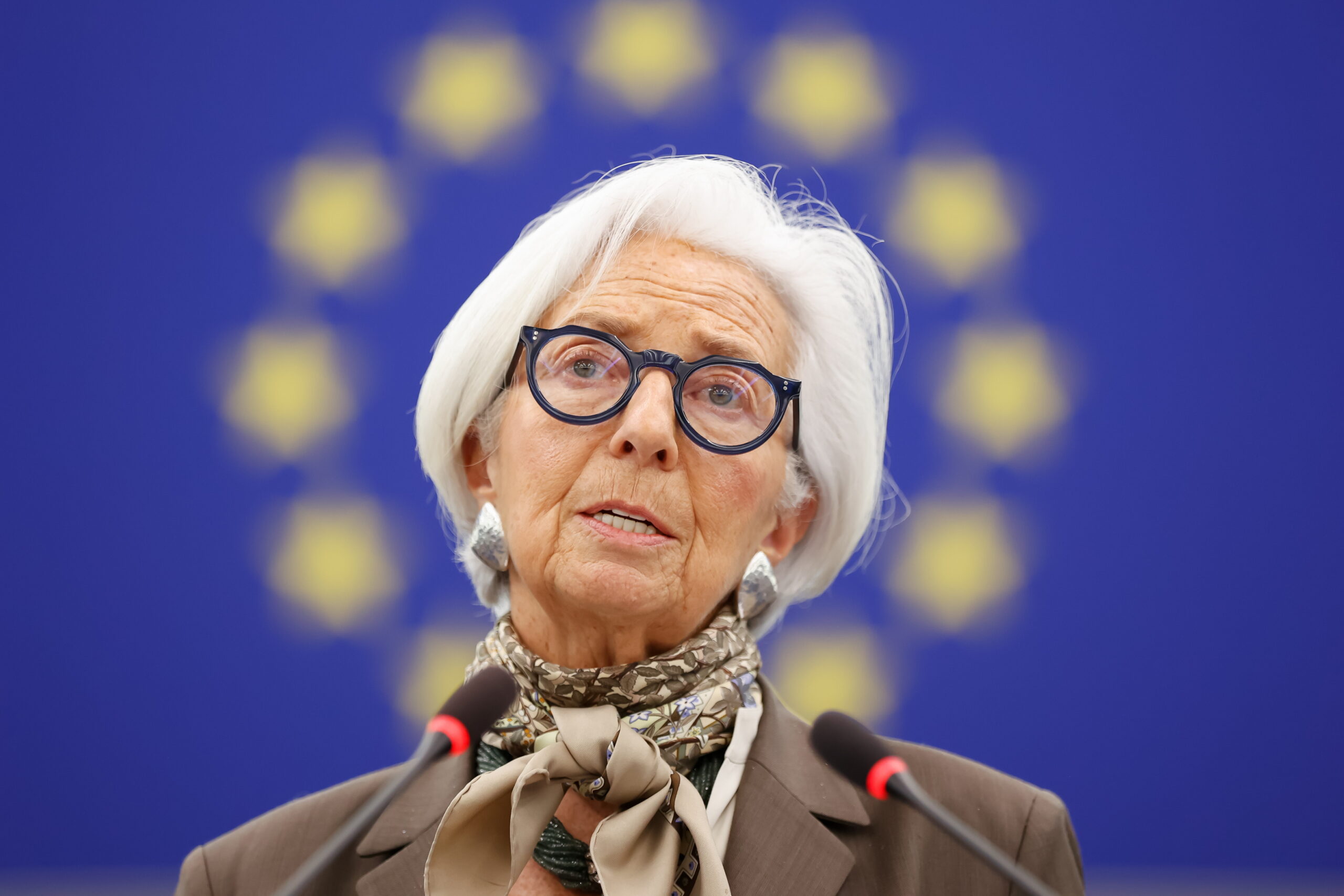
The European Central Bank (ECB) kept rates unchanged at 2%, with President Christine Lagarde stating that the institution is “well positioned and well equipped” to face “an ongoing significant shock.” The ECB now expects inflation at 2.6% for this year, compared to the previously estimated 1.9%. In the medium term, inflation is expected to return to 2% in 2027 and 2.1% in 2028. Lagarde also highlighted that the conflict in the Middle East has made the outlook “significantly more uncertain,” generating upside risks for inflation and downside risks for growth.
MARKET MOVERS
For several months, ECB President Christine Lagarde stated that monetary policy was “in a good position.” Previously, no rate changes were expected in the euro area during the year, while rate cuts were widely anticipated for the Fed and the Bank of England. However, this balance has shifted: the energy shock of the past month has profoundly altered expectations regarding inflation and interest rates.
In the United States, Fed Funds futures now indicate that the next rate cut may not occur before July 2027, a significant change from the pre-conflict scenario when the market priced in two reductions already during this year. Just a few weeks ago, a rate cut by the BoE seemed almost certain; today, however, markets no longer price any reduction and, in fact, begin to consider further hikes more likely. For the euro area, two rate increases are now expected during the year.
The environment remains extremely uncertain, as noted by Jay Powell himself, who urged not to place too much weight on current forecasts: “What I want to emphasize is that nobody knows. The economic effects could be broader or more contained, much smaller or much larger. We simply do not know.” What is certain is that central banks still clearly remember the experience of the 2022 energy shock, when inflation — already rising — was further fueled by the consequences of the Russian invasion of Ukraine and central banks underestimated the intensity of the phenomenon, intervening late.
If the energy shock persists, it is likely that rates will rise sooner than expected, then be cut later if the rise in commodity prices slows economic growth. History teaches that the response to high oil prices is often a contraction in demand and an economic slowdown. In the short term, however, with inflation expectations rising, central banks will have few alternatives other than to maintain or tighten the restrictive stance, should the crisis prove more prolonged than expected.
THE INVESTMENT LENS
We are at a crucial phase of the conflict, where high energy prices reflect extremely high levels of uncertainty. The risk of escalation — with both sides potentially targeting energy infrastructure — entails further upward pressure on oil and gas. The key variable for financial markets and the global economy remains the flow of commodities through the Strait of Hormuz. At present, the international community does not seem willing to intervene militarily in the area, while traffic through the Strait is limited to a small number of ships authorized by Iran. In line with the central banks’ approach, a wait-and-see posture is necessary while alternative scenarios become clearer: on one hand, de-escalation with the resumption of trade flows — possibly under the protection of a naval coalition — on the other, a more prolonged and potentially escalating conflict, should energy infrastructure be considered legitimate targets.
The environment has quickly shifted from a relatively favorable scenario at the end of last month to a phase of strong uncertainty. Bond markets are affected by prospects of higher rates and inflation; equity markets have experienced corrections, while showing some resilience, supported — at least for now — by still stable earnings expectations. However, the assumption shared until a few weeks ago, that the conflict would resolve quickly and positive prospects for 2026 would remain intact (albeit with a delay in rate cuts), is now increasingly under revision. Should the conflict persist without signs of compromise, the negative impact on growth, inflation, and monetary policy would inevitably weigh more significantly on risk appetite.